
Lion Air flight 610 was the Boeing 737 MAX that crashed on October 29, 2018 shortly after takeoff, with 189 people aboard. It had a faulty angle-of-attack sensor, which fed bad data into the MCAS system that was meant to control handling of the plane so that it would fly like earlier generations of 737s. It repeatedly forced nose down stabilizer trim, and the pilots onboard – who didn’t know about the system – failed to overcome it.
As with the Ethiopian 737 MAX crash that followed, you’d expect lawsuits by families of the passengers and crew against the airlines and against Boeing. You’d expect lawsuits by the airlines against Boeing. But there are so many more lawsuits – by passengers who never flew the MAX, by pilots for not being able to fly the MAX while grounded, and even lawsuits against the lawyers filing the lawsuits.

Fitriyanti v. Podhurst Orseck, P.A. was filing in the Northern District of Illinois on Wednesday for legal malpractice “and accounting.”
Indonesian widow Fitriyanti, whose full legal name appears to be just Fitriyanti, sued over the death of one of the passengers and received a $4 million settlement. She says her lawyers failed to get her all the money she was entitled to and says the firm told her it would take approximately 35% of any settlement, but that she was never actually told the exact percentage. She is asking the court to force the lawyers to account for settlement funds and deductions.
- The firm had a fiduciary duty as her lawyers.
- It allegedly did not clearly disclose the actual contingency fee or deductions, did not keep her adequately informed about settlement approval and distribution and withheld money she was entitled to receive.
- Because the lawyers controlled the settlement documents and distribution records, she needs an accounting before she can quantify the shortfall.
Illinois malpractice claims have a six year statute of limitations. The suit is coming now because the settlement approval order was entered on September 23, 2020. My reading is that there’s a two-year discovery rule, which creates a problem, because she likely received a closing statement, signed a release, and got settlement distribution paperwork, or at least knew the net amount in 2020, so her law firm will argue she should have known the facts years ago.

There really were bad actor lawyers involved in some of these cases. In one case, Boeing paid out settlement funds to Lion Air families and the lawyer may have stolen the money.
But much of it was just our legal system being our legal system. On the one hand, there was a single death verdict for $49.5 million. They won’t actually wind up getting that amount – but most cases were worth far less. Indeed, Boeing shareholders potentially had the biggest claim and none of them died!
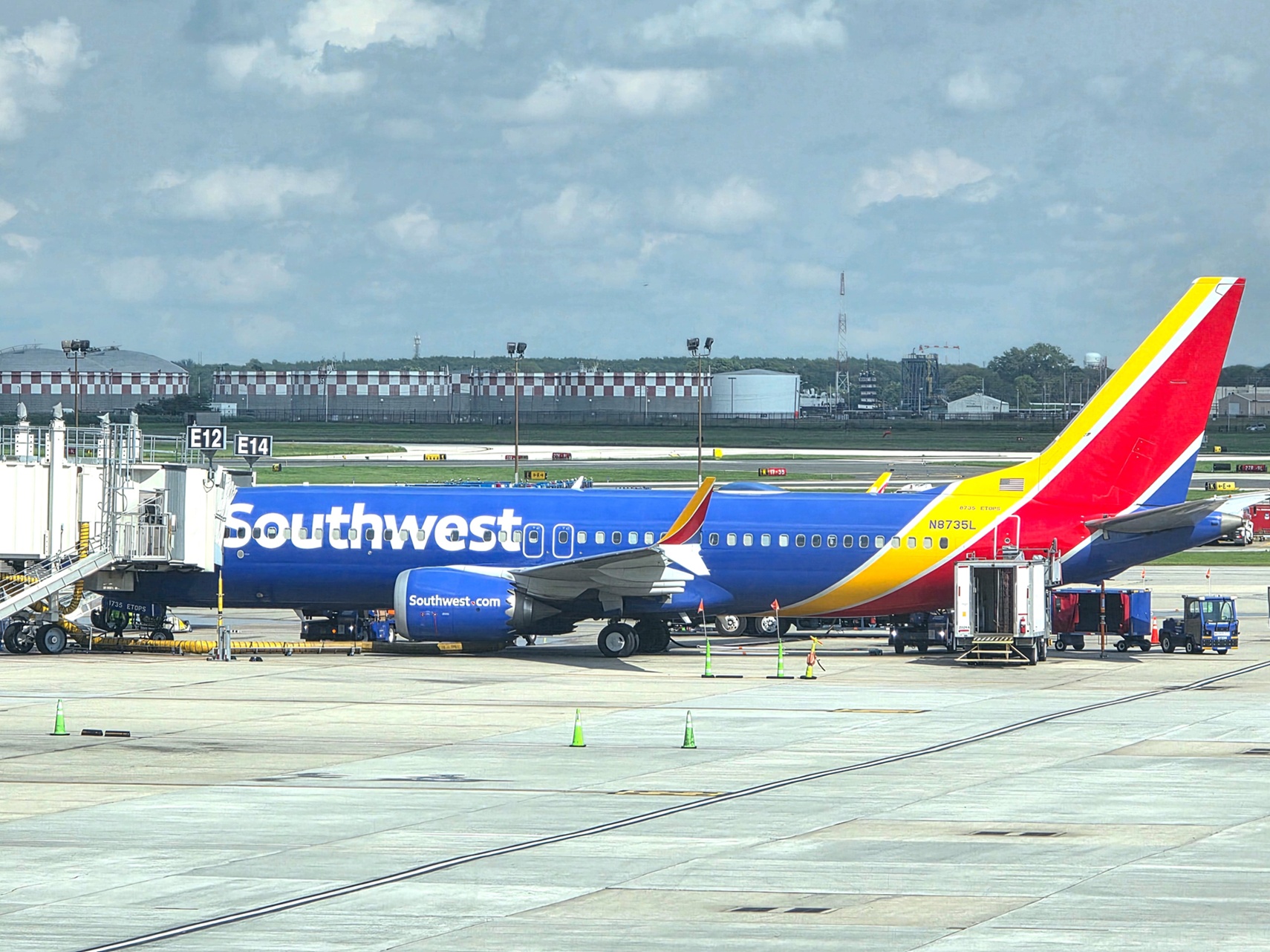
Southwest Airlines didn’t have a crash, but they still got sued by passengers who never flew the plane because they might have had to, booking tickets on the airline. And Southwest was also sued by its pilots because – as a result of the plane’s grounding – they didn’t get to fly the plane.
Whether you think the legal system goes to excesses or not, it’s worth remembering that it’s probably the strongest form of regulation of private conduct, especially business conduct. Damages tend to be far greater than fines!



Oof, classic VFTW-engagement bait! Do you love/hate Boeing and/or lawyers? *sigh*
I’m still trying to find out what a “Boeing 737 Max that craked” is.
If nothing else, 6 years is quite a long statute of limitations for malpractice.
@jfhscott — That firm’s probably gonna argue that only 2-years should apply. We’ll see…