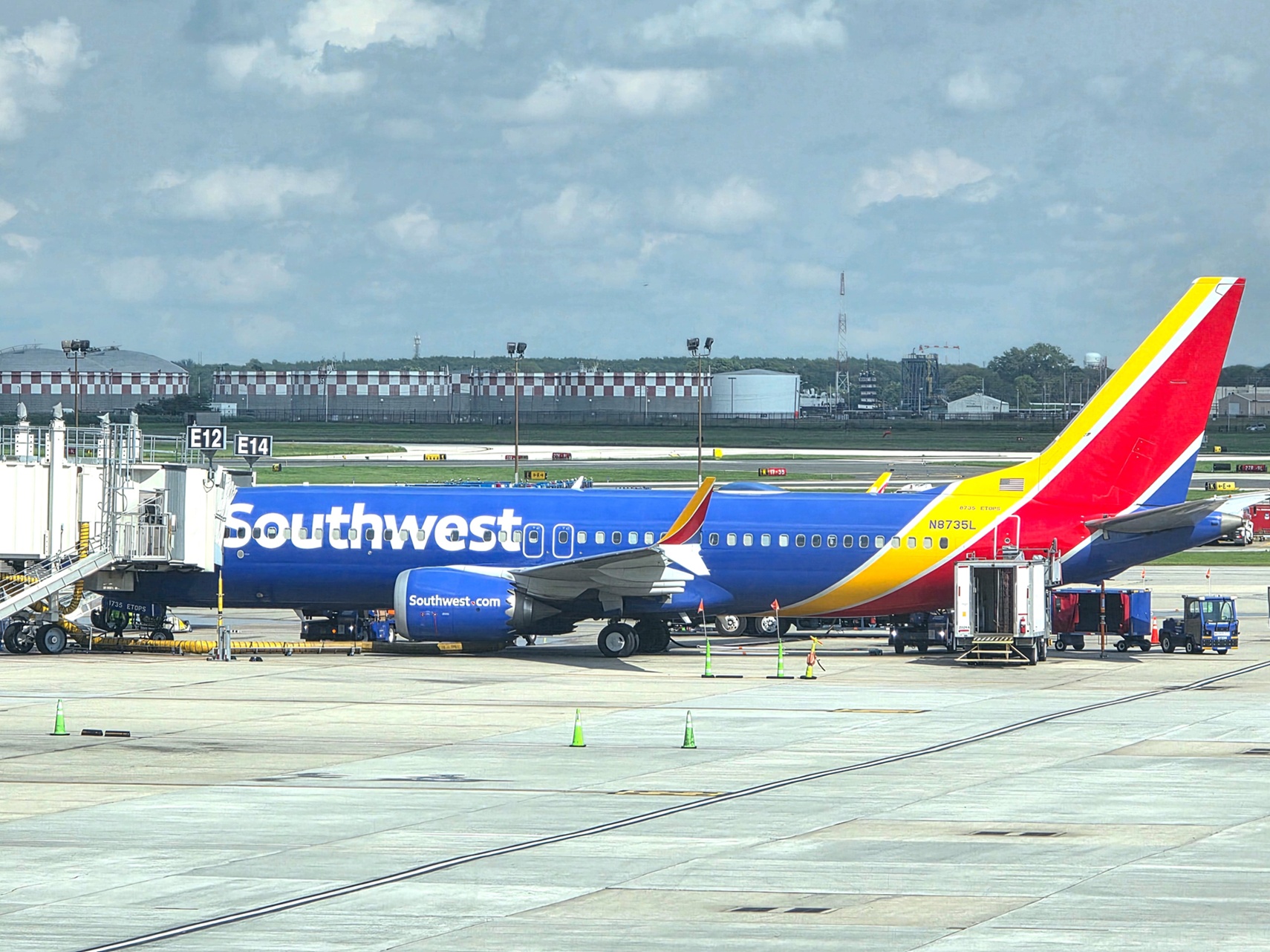
Southwest Airlines just beat a passenger lawsuit over the Boeing 737 MAX, even though none of the passengers suing had actually flown the 737 MAX and Southwest hadn’t had any incidents with it.
The 737 MAX grounding spawned myriad lawsuits. You’d expect that when 346 people died. But it could be the shareholder lawsuit that pays out the most. So why wouldn’t pilots sue, too?
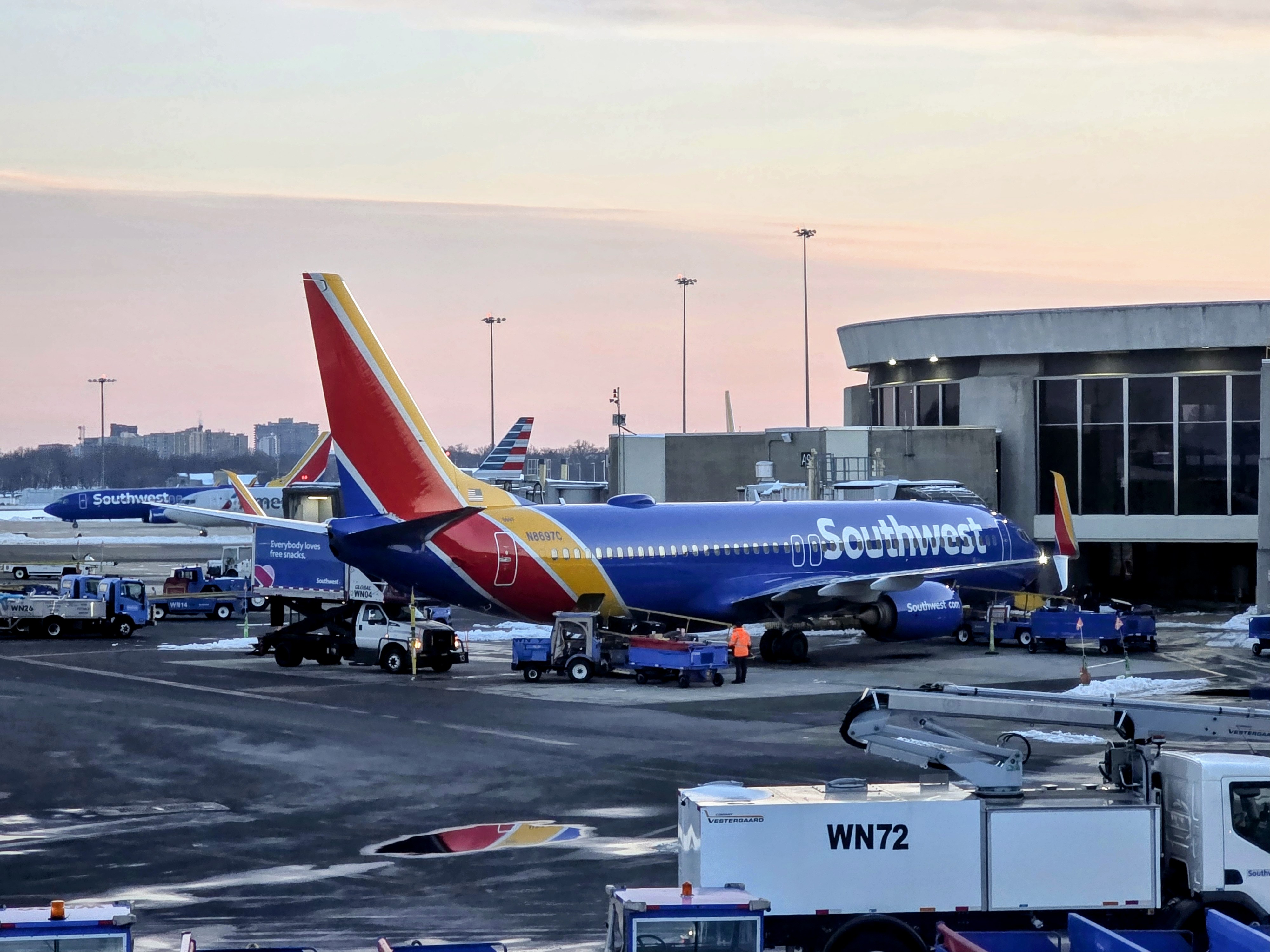
While passengers sued because they might have had to fly it, Southwest Airlines pilots are suing because they weren’t allowed to.
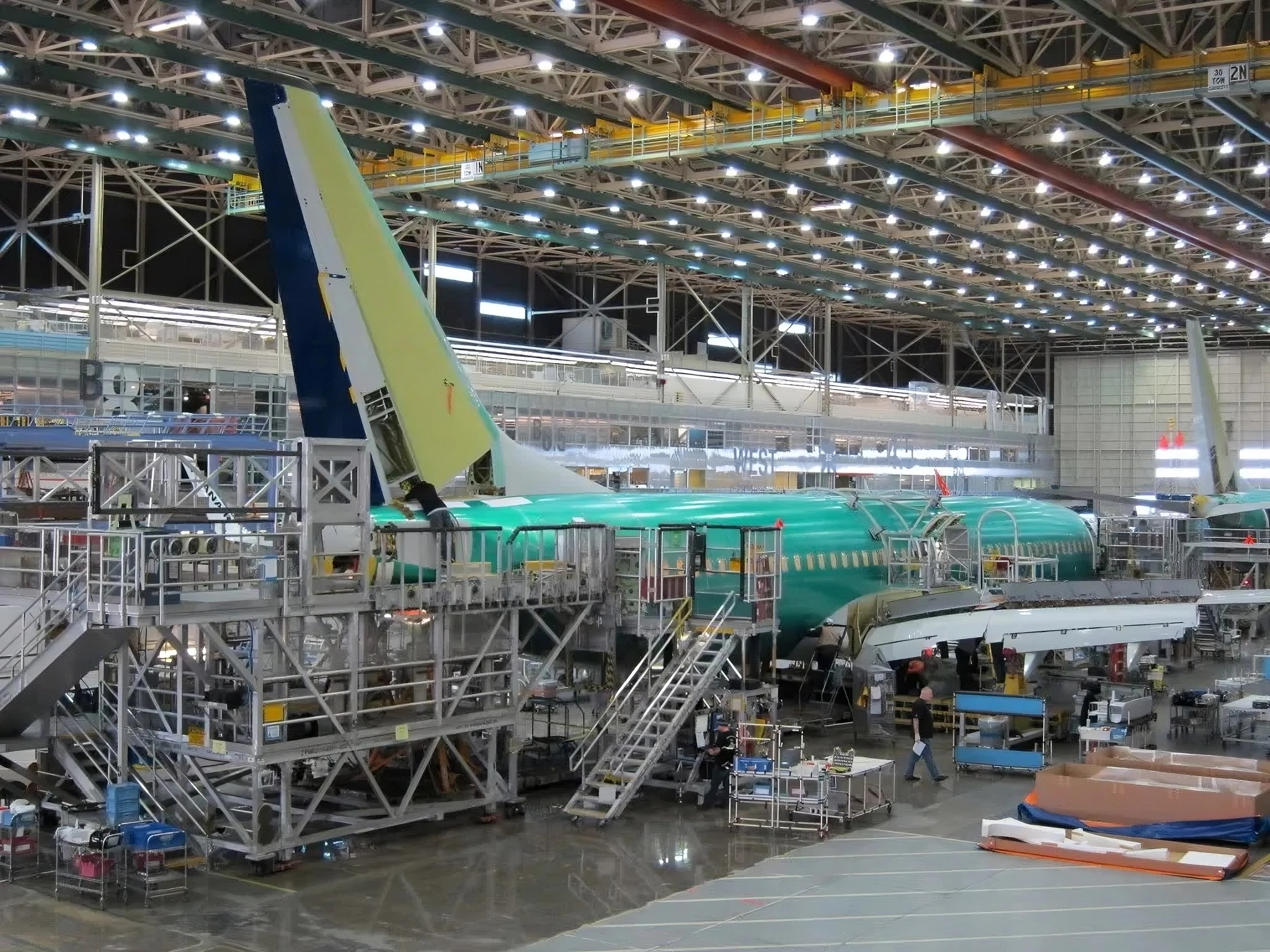
The pilots union claims Boeing misled them into agreeing to their 2016 collective bargaining agreement that providing for flying the 737 MAX – without bargaining for protections against a grounding that cost them flying time.
- 10,000 Southwest pilots lost millions of dollars because Boeing falsely represented that the 737 MAX was safe, airworthy, and essentially the same as earlier 737s. That led the union to agree to include it in its contract with Southwest, but the grounding removed flying time from schedules and thus from pilot paychecks.
- They contend Boeing marketed the MAX as a safe, reliable continuation of the 737 family, while failing to disclose that the LEAP-1B engines changed the aircraft’s center of gravity, decreased stability, negatively changed handling, increased pitch-up and stall risk, and created inherent safety risks.
- The use of MCAS software made the MAX “feel” like earlier 737s and to avoid requiring simulator training on the new aircraft, but relied on a single angle-of-attack sensor, creating a single-point failure mode. If that one sensor gave bad data, MCAS could activate and force the aircraft nose-down even when no stall condition existed. (This is correct.)
- Southwest and its union were in a contract dispute about whether pilots could be required to fly the MAX without new negotiations because the MAX was not expressly listed as an aircraft type. Southwest relied on Boeing’s marketing position that the MAX was just another 737 variant, not a distinct type. (About 800 pilots picketed Southwest’s 2016 shareholder meeting over the issue.)
- The union claims Boeing told them the MAX had no surprises, operated like prior 737s, and required no additional training, while hiding MCAS and key differences. They would not have agreed to include the 737 MAX in the 2016 contract, or would have bargained for different contingencies, if Boeing had told them the truth.
So the union is suing for fraudulent and negligent misrepresentation, tortious interference with contractual rights, and fraud.
The case is pretty solid that the 737 MAX had issues. That alone doesn’t make Boeing responsible for lost pilot wages. You’ve got to get from Boeing’s design and statements about it to Southwest pilots to the two crashes and grounding of the plane to Southwest Airlines decisions around schedule changes to individual pay under seniority bidding.
Plus, much of this is also the result of actions by the FAA, foreign regulators, and Southwest’s own fleet and scheduling choices – which may be intervening causes. And did the union actually rely on Boeing’s statements about the plane in agreeing to their 2016 contract? The union’s negotiating position was certainly driven by Southwest’s economics, their labor leverage, and pattern bargaining.
On the other hand, if you certify an aircraft with hidden safety-critical defects, you can expect the plane to be grounded. Plus, Boeing can argue the earlier 2006 contract already required pilots to fly the MAX, so they couldn’t have fraudulently induced them into it. This hasn’t gotten the case dismissed, but it’s a strong argument on the merits.
Boeing will also argue that its marketing statements like “safe,” “reliable,” “time-tested,” “minimal risk,” “legacy of the 737 family,” and “maximum reliability” are puffery and optimism – not specific enough for actual reliance. And they had no duty to disclose defects to Southwest pilots – they may have broken obligations to regulators but that is not the same thing.
Bottom-line is Boeing did bad things, but may not have had special obligations to Southwest’s pilots, and under Texas tort law direct damages were caused by others. By 2021, Boeing had paid $1.77 billion to airlines for financial losses caused by the MAX grounding. And it still seems odd to me that the biggest payouts wind up going to entities other than the actual victims.
So I don’t know – what do y’all think?



Boeing is a case study in corporate greed, preventable death, and systemic corruption. Was just discussing with @jacobin777 on the recent AA pilots post (May 5). So, I can’t blame ’em for trying to hold Boeing accountable, because this administration sure won’t.
Everyone at Southwest knew before the first MAX was delivered that it wasn’t the same as other 737s. WN realized that there would be two classes of pilot certifications, one for 737-700, 800 & MAX and another for the older versions.
Some of the other points are probably valid, but not sure what the actual damages would be.