
Spirit Airlines could be liquidated as soon as this week, ceasing all flying and selling off assets, according to a Bloomberg report. Discussions with creditors could still change that outcome. However, this report alone makes the outcome more likely, because it makes purchases of their tickets seem even riskier than they already were. That chases away business that could have helped keep them in business. And Spirit is not denying the reports, saying only “We don’t comment on market rumors and speculation.”
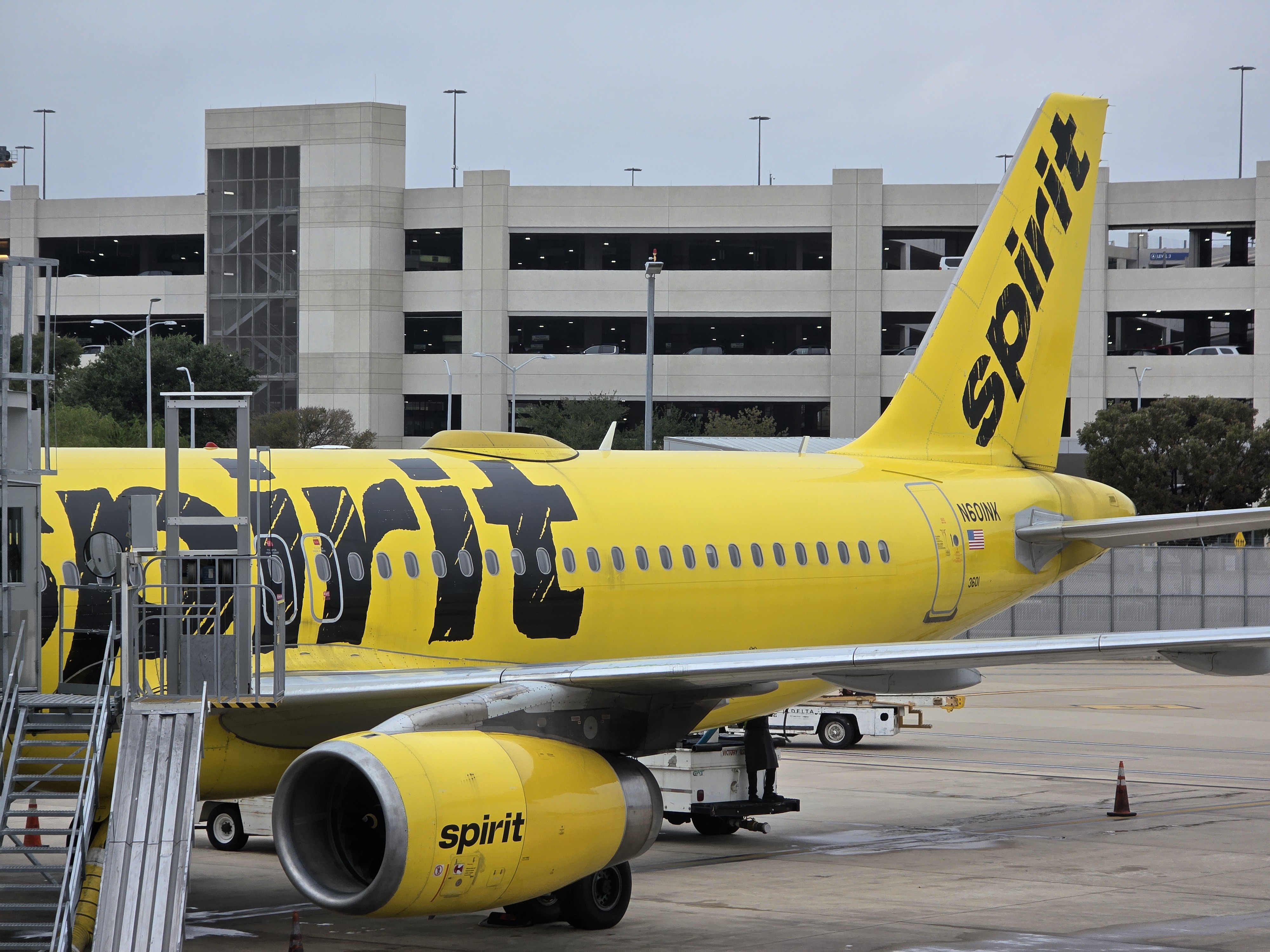
I had already told you that Spirit’s bankruptcy trustee was asking the court to delay its exit, and now that’s being widely reported. What’s not well understood is that this was,
- A technical issue, easily cured, regarding the airline’s disclosure statement. And all the investors involved are sophisticated enough to make that immaterial to their decision-making.
- So it was a tactic – more important was the underlying focus on what wasn’t well enough fleshed out: why bankruptcy emergence was better than selling the airline or just liquidating?
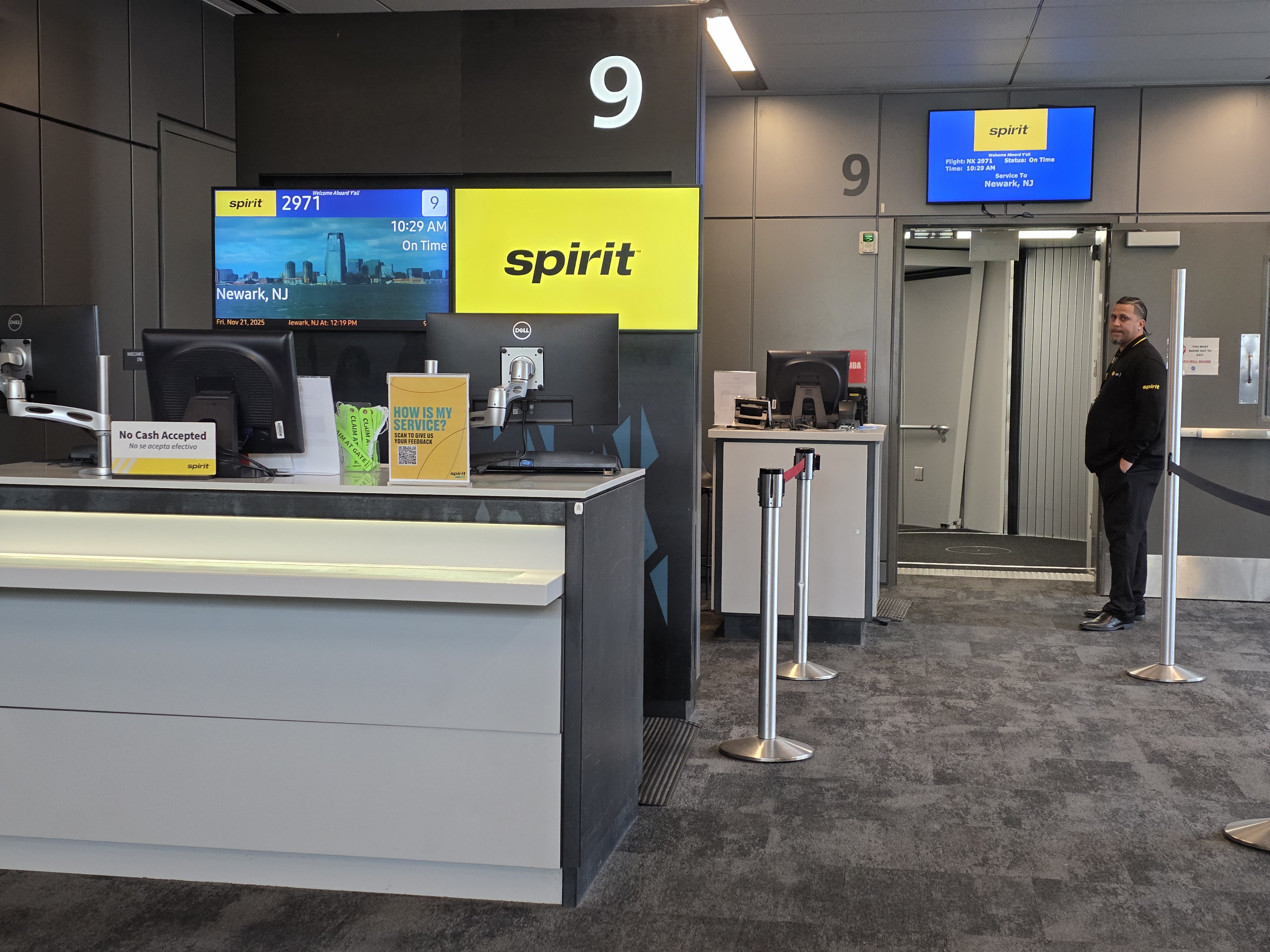
A liquidation would potentially help JetBlue in Fort Lauderdale. It would create an opportunity for United to bid for assets there.
- They represented 27% of 2025 capacity at the airport.
- And they have access to 14 gates, 10 of which are preferential use gates.
Outside of it’s Fort Lauderdale position and aircraft, Spirit’s 22 slots at New York LaGuardia likely have the most value.
JetBlue, of course, tried to acquire Spirit Airlines and the Biden administration helped it dodge a bullet by blocking the deal on antitrust grounds. Their goal was to preserve flying Spirit’s planes under an ultra-low cost model. Even in Spirit’s turnaround plan they were shedding a majority of their aircraft.
Frontier Airlines was outbid by JetBlue in that takeover attempt, and held numerous subsequent talks with Spirit about a deal but Spirit’s board kept holding out for a higher price. That seems like a mistake, but any fire sale of Spirit assets is certainly an opportunity for Frontier.
The best avenue for most passengers if the airline were to shut down is a credit card dispute of charges.
Credit card dispute rights under the Fair Credit Billing Act must be submitted within 60 days of the first statement showing the charge, although issuers are usually willing to honor chargebacks with a longer runway. Debit card purchase protections are far more at the discretion of the bank.
Don’t proactively cancel future travel, though. If a flight does operate without a significant change, the ticket remains nonrefundable. Wait until actual cancellation.



Arriverderci!
The trustee filed its objection on April 10. On April 13, Spirit adjourned the hearing on approving its disclosure statement from April 15 to April 23. Spirit would not have done so just because it received a garden variety objection from the office of the united states trustee – those types of objections are routinely dealt with prior to or at any hearing, and could have easily been dealt with by adding language to the disclosure statement itself. A separate objection filed by the revolving lenders (Citibank as agent) regarding reinstatement of a revolving facility raised more serious concerns, albeit one that also would likely not have proved fatal to a court approving a disclosure statement.
Anyway, if the rumors are indeed true, they likely adjourned the disclosure statement hearing because the plan will fundamentally have changed to one of liquidation, not because they got objections to a disclosure statement.
Oh no! How will the poors fly?
I guess there’s always AA.
So… “it was a tactic” Mhm. (As was Kirby’s b.s. AA-merger talk.) At least Gary and the other blogs hopefully can get some ad-revenue from the hype.
@.ANAL — Undoubtedly, many of Spirit’s customers are wealthy, penny-pinchers. There is little difference, other than a massive price difference, between Spirit and WN, B6, DL, AA, AS and UA on a 45-minute flight. I will miss them.
It was reported on CNBC and not some off the wall website so I’d say the “rumors” are pretty credible. The only chance Spirit ever had was a merger with Frontier and management scuttled that to save their jobs. Not sure even long term Frontier, and a Frontier/Spirit combination, will make it. The business model of losing money on almost every fare but somehow making it up in ancillary fees doesn’t hold water.
I’ll get some really good airport meltdown videos on YT of Spirit customers showing up for a flight, ticket counters closed, no one around and told they will need to buy a walk up ticket on another airline.
@George Romey — Ahh, yes, the “meltdown” videos will sustain us… at VFTW at least.
They won’t. I predict a renaissance for bus lines.
@Denver Refugee — Frontier and Allegiant: “Ehem! Dear peasants! We still exist!”
Few airlines in the history of modern aviation have deserved insolvency so richly. Good riddance.
What happens to my points?
The credit card gave 2x the points on all purchases.
@mike hunt Couldn’t agree more. What they have done to air travel. Also, as a business model that was doomed and foolish from the start. No matter what will be said it was about getting clueless passengers to show up to the airport suddenly faced with a litany of unexpected fees. Pay them or give up the ticket and don’t fly. Either way the airline would make out.
But then came along social media which even the most dullards began to understand how to avoid the fees. Shove all your belongings into a backpack that could go under the seat.
The idea of “unexpected fees” is largely false. The fees are all disclosed when booking if you look and pay attention. Also, booking Spirit is not only a matter of price, for use its convenience. Atlantic City Airport is close to our home, easy to access and park, and never has TSA delays.
@ Mie Hunt — Why? Have you ever actually flown on Spirit? Contrary to public perception resulting from of a few (?) idiots caught misbehaving on camera, it is a very pleasant airline.
@ JB — Unless Spirit finds a merger partner, Spirit points will almost certainly be forfeited in the event of Ch. 7.
“The fees are all disclosed when booking if you look and pay attention.” Yes, but initially people did not look and pay attention. They just saw the $39 fare to MCO/Disney. The same people that walk onto a plane and go into a giant void because finding seat 31B is a mystery in life few understand.
Are there other venues to watch women pull each others hair? Asking for a friend
@George Romey – if you think the model will never fly you are a little clueless. Ever hear of RyanAir or EZJet? They follow the same model and are successful.
@Gene — Agreed. The others are just dunking on an underdog. Spirit has saved me a few times, when the others failed me. Also, the Big Front Seat (recliner, 2-2) is better than Economy elsewhere.