Flight attendants will tell you that they are primarily there for safety. That is true. The government requires them. But it’s only half the role. They serve drinks, welcome customers, and they embody the airline.
Pilots are there for safety, too. But most of the time their relationship with the customer stops at the reinforced cockpit door. When they step out and interact with customers, they’re heroes.
One United Airlines customer shares how it reinforced is loyalty when the pilot came out before departure, explained the weather and even joked about taking a passenger vote to turn their Washington, D.C. flight into a trip to Hawaii. That was bigger, to him, than his upgrade.
✈️ I travel a lot and I’ve witnessed @united Airlines rapidly improve over the last few years to the number one spot. I basically fly no one else now.
This morning (my first class upgrade was comped), the Captain came out and gave a whole talk on the weather (before taking a… pic.twitter.com/372HGg1eua
— Houman David Hemmati, MD, PhD (@houmanhemmati) July 13, 2026
That was a couple of minutes. The airline didn’t pay extra for it, but it delivered real value to the cabin and to everyone each passenger told about it.
A Captain Can Change The Whole Tone Of A Flight
The captain holds tremendous esteem from passengers, as well as authority. A flight attendant or gate agent can give exactly the same delay update, but when the person in command stands in the cabin, looks passengers in the eye and explains what’s going on, someone customers respect sees them and they feel respected back. People love that:
- An American Airlines captain came all the way into economy during a delay, explained why the inbound aircraft had been late, apologized, took questions and offered drinks on the airline.
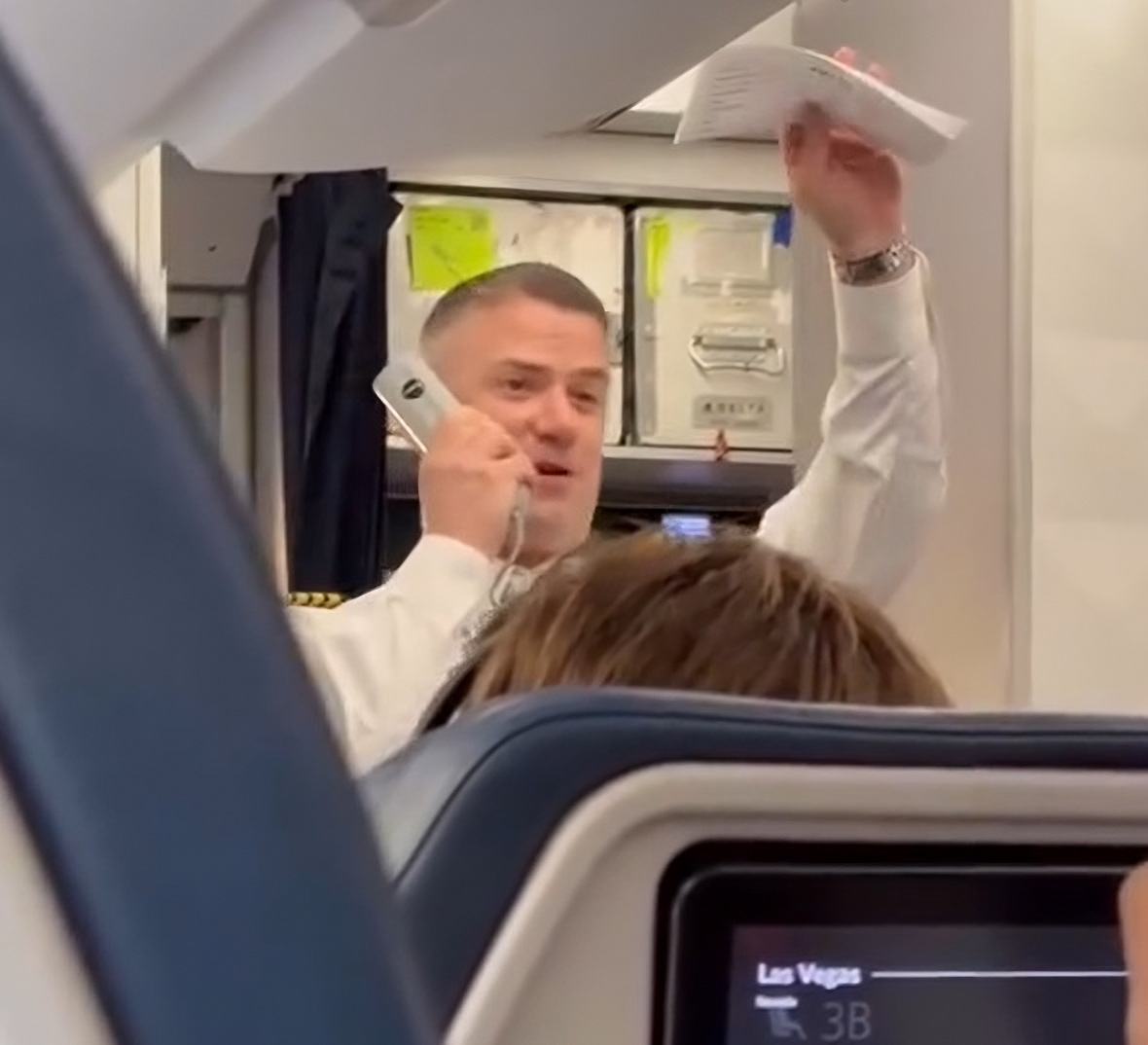
- A Delta Captain addressed passengers, promised to get everyone to Atlanta safely, thanked everyone, and made clear that during the flight nobody mattered more to him than the passengers and crew.
- A Delta passenger watched the captain walk down the aisle handing out handwritten loyalty notes. Another Delta pilot in the discussion said they choose customers throughout the cabin and write notes because it’s fun, and invited passengers to visit the cockpit during boarding.
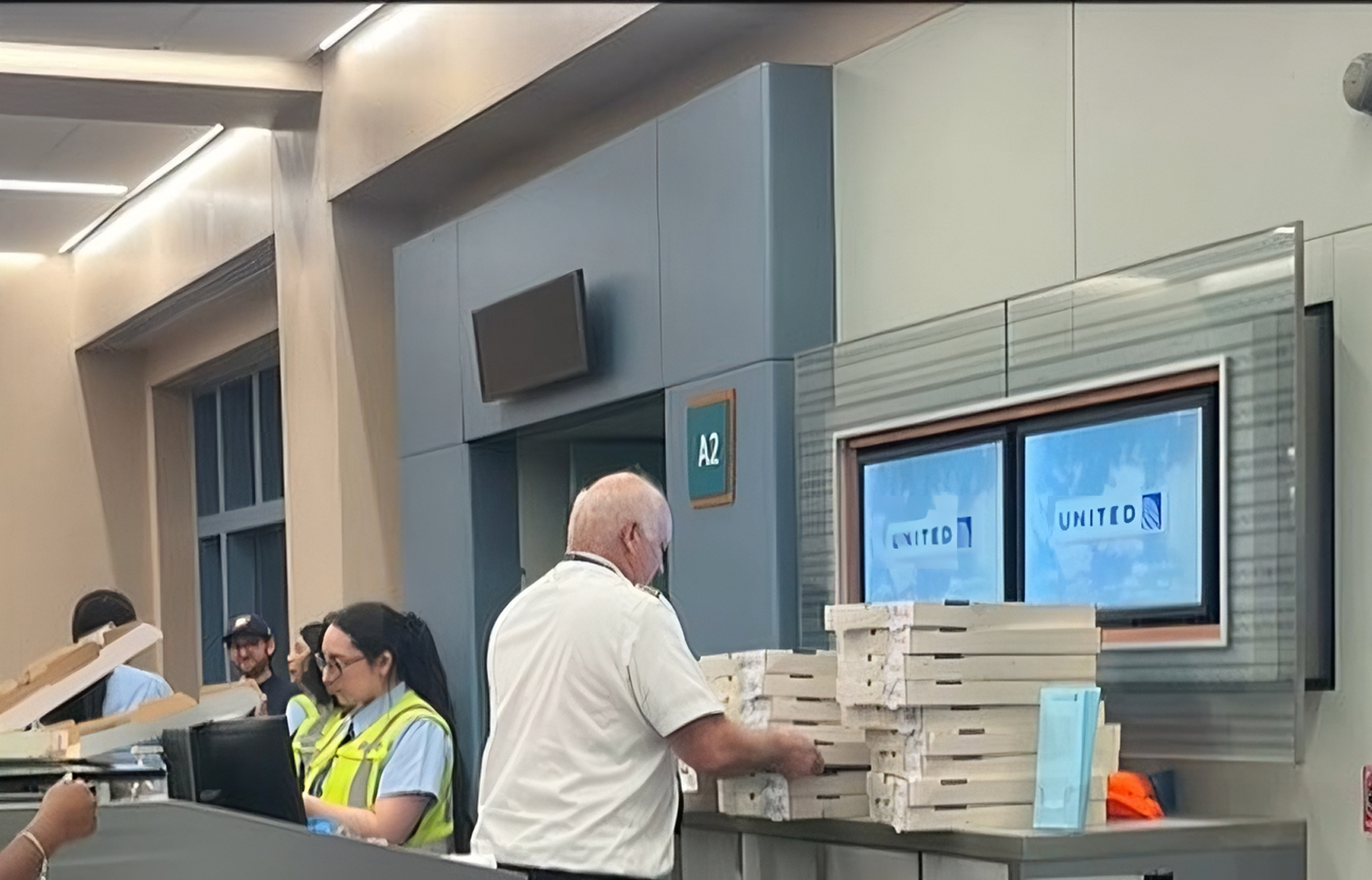
- United has been especially good at milestone recognition. One captain gave a two-million-mile customer his flight plan. Another United captain ordered 30 pizzas after a medical diversion.
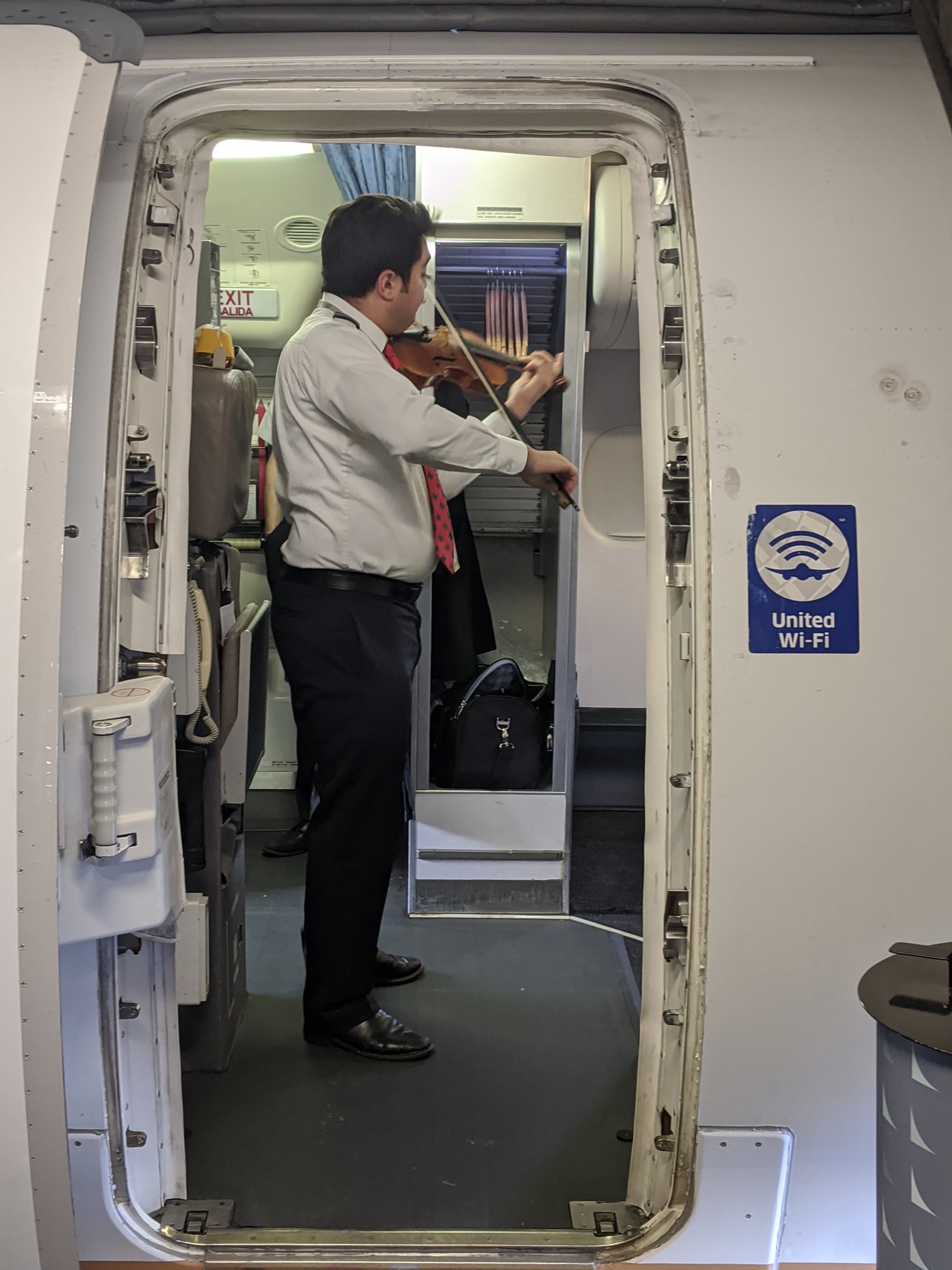
And a United Express captain once played violin for passengers before a Christmas Day departure.
Those are unusually large gestures. A pilot can also stand at the boarding door, make a useful PA announcement, hand a frequent flyer a short note, or invite a family into the cockpit at the end of the flight when it’s not a quick turn.
When Would Pilots Squeeze In The Time To Interact With Customers?
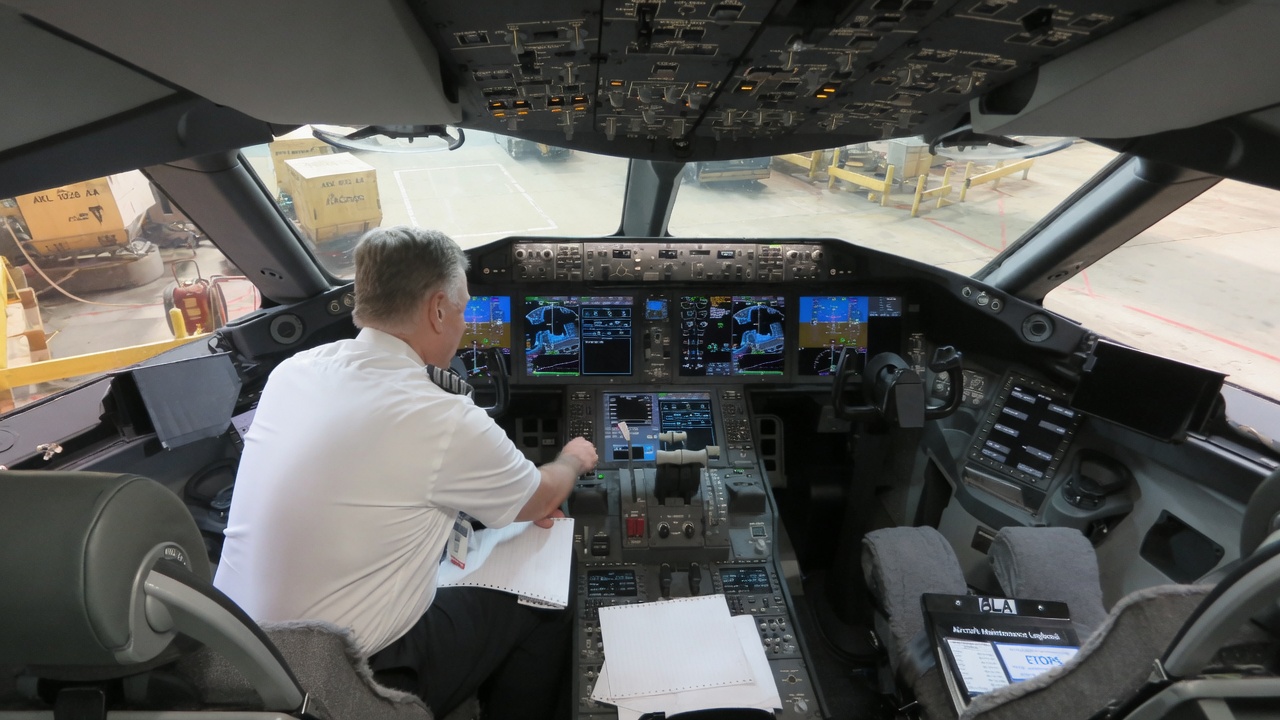
There’s a lot of time during a flight when pilots might actually have the time. Only a very small percentage of an Airbus narrowbody flight will involve manual flying. Once at cruise the workload lessons. Much of the real work is prior to takeoff – accepting the aircraft; reviewing weather, NOTAMs and maintenance status; checking fuel; and communicating with dispatch.
But time at cruise isn’t when the pilot will be interacting with passengers – the flight deck door has to remain closed and locked. Sterile cockpit rules prohibit nonessential activities below 10,000 feet as well. Still, there’s often an opportunity on the ground, before the door closes, or at the gate during a delay.
Why Pilots Rarely Do This, And How To Change That
It is easy to say pilots should interact more with passengers. When do they do it? Why would they bother? They earn the same paycheck whether they do or not. The airline benefits, the customer benefits, the pilot doesn’t really – and they’re the one that it’s optional for.
Meanwhile, there’s downside risk, too. One awkward joke or badly phrased answer to a customer that gets recorded might be posted online and sent to management.
And not everyone is really cut out for it. You want pilots with judgment and skill, and that doesn’t always go along with public speaking and hospitality.
So it needs to be natural, voluntary, and rewarded. United CEO Scott Kirby emphasizes during base visits that he wants pilots getting out of the cockpit talking to customers, usually at the gate.
Pilot trading cards are a great tool for breaking down barriers and creating a natural mechanism for passenger-pilot interactions. They give a passenger a reason to approach a pilot and give the pilot something easy to offer.
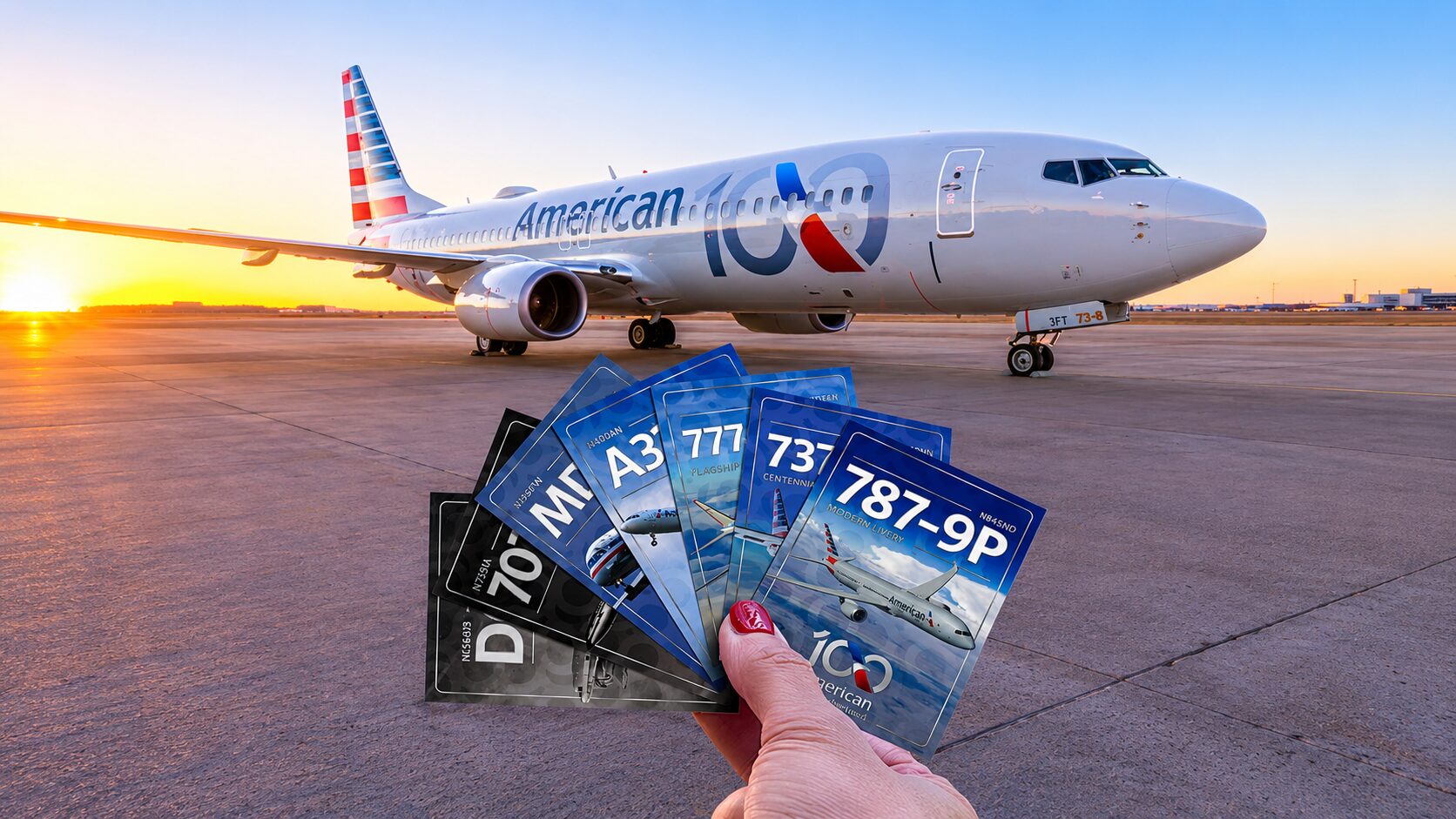
Delays are a great opportunity for these interactions, because not only can a pilot offer an update they can share an explanation. Airlines can give pilots a small number of recognition items for milestones and recovery in their electronic flight bag. They can ‘pre-approve’ a recovery budget rather than making the captain wonder whether their expense report will get approved.
Compare net promoter scores during disruptions with and without timely pilot updates, controlling for delay length, route and cause. Often airlines look at on-time NPS because delays dwarf everything else an airline does. But Delta recently told pilots that these scores improve significantly during disruptions when they provide timely updates and engage positively.
American Airlines says that one point of Net Promoter Score improvement is worth $50 million to $100 million in revenue. That’s enough to justify branded cards, modest recovery authority and honoring pilots who give a couple extra minutes of time when it’s available.
While the cockpit door must remain locked in flight, at the gate airlines need to encourage pilots to help break down that cultural wall.



Nice post, Gary. It is a treat when the pilots address passengers, in-person, before the flight. Sets a better tone. Sure, mostly happens up-front, but a few times, I recall a pilot walking the entire cabin (737). Above and beyond. (I get that they can’t always do such things. Lots of pre-flight to get done.)
I know some of you like to denigrate crews on these blogs; I can’t stop you, and Gary certainly won’t micro-manage you either, but I wish you’d be a little more appreciative for what they do for us. (Sorry, please ignore all that, call me and them silly names, and demand your precious ‘PDB.’)
It does make a difference. We had a brief delay last year on a Delta flight. The Captain came out of the cockpit and personally apologized for the delay, handed ma a note from him and cone of his business cards. Then he picked up the PA and gave everyone a detailed delay report.
I was impressed. Plenty of friends flying for the airlines, but this was exceptional and impressed by everyone on the flight.
I was in 1B and not a Delta 360.
Recently while I am disembarking I have been asking AA pilots for the new trading cards with AA planes. Invariably, they are pleased to comply and several have offered me more than one. I now have full set thanks to their very friendly generosity.
A very positive article, and I would think that this would also relax nervous fliers. It reminds me of a piece I read a few years ago. It claimed that surgeons who take the time to talk with their patients before scheduled operations tend to have fewer malpractice suits. The patient is more likely to see the surgeon as another person who is doing their best, may better understand the risks and outcomes, and generally feels that they are respected by someone who cares rather than being treated as just another case. It really never hurts to reach out as one human being to another, no matter what the environment.
Years back a DL pilot came out and went down the aisle showing everyone the storm on his phone and why we could not depart. A few Captains will come out and make the welcome PA on the outside phone. Of course, some make no announcements during the flight other than to tell flight attendants to prepare for take off and landing.
Recently I had an AA pilot come out and personally welcome me as a CK.
Years ago the Captain would routinely tell passenger where the plane stood in the takeoff que and the expected time to reach the runway. I rarely hear that anymore.
This year, while flying with American Airlines, I’ve noticed and appreciated their frequent updates for customers, like “Your flight from Dallas Fort Worth to Detroit is delayed after maintenance was required on a plane assigned to your flight.” As the crew waits for their plane to be fixed, I like to pick up an American Airlines aircraft trading card as a small souvenir to memorialize my delayed or canceled flight—because nothing says “memorable trip” like a shiny card commemorating three hours at Gate C8! These cards are an excellent reminder that safety comes first at American Airlines and that the airline apologizes for the inconvenience. With so many planes needing repairs during the day, frequent flyers might be able to collect the entire AA trading card fleet before their flight actually departs.
When I was a young F/O many, many, many years ago, a Captain I routinely flew with would (could) go back thru the cabin in flight and explain to the pax where and why we were taking certain routes. He got tons of great pax letters. I didn’t go back when I upgraded unless there was a lovely single lady sitting in First Class that needed reassuring as to our flight status!!!
Had a Captain at Midwest Express who brought about a 6 foot section of dented aileron from the MD-80 up to the gate and stood with it saying “this dent is why we can’t fly.”
@1990 Always the scold. Typical in-your-face leftist who plays the victim while simultaneously demanding COVID-era big brother OBEDIENCE to every ‘value’ he imposes on the rest of us. The fatigue is real. Grow up.
@1990 Always the scold. Typical in-your-face leftist who plays the victim while simultaneously demanding COVID-era big brother OBEDIENCE to every ‘value’ he imposes on the rest of us. The fatigue is real. Time to grow up, 1990.
I do wonder, though, does a captain ever think “I should go back and explain this delay,” and then think about how rude and insufferable some have become on planes today. In some cases, facing the “lynch mob” might not be the best path. OTOH, a timely bit of face time might sooth the beast before it awakens.
@The Greatest Generation — Why only 2x? Third time would’ve be the charm. Ignore me. Tell us how you really feel about crews. No, better yet, tell the crew, preferably before meals and drinks. Yum!