The federal government is considering a $500 million bailout of Spirit Airlines under flimsy legal authority, in exchange for warrants that could see taxpayers taking a 90% stake in the airline. Now we could see this expanding to a $2.5 billion program where the government owns part of several airlines.
Spirit has only enough unrestricted cash for a few days and no one willing to put more money in, with little prospect of getting it back.
The rest of the low-cost industry sees an opportunity and has been making asks. Previously they wanted a suspension of the 7.5% excise tax on domestic tickets, and a suspension of the tax that pays for air traffic control.
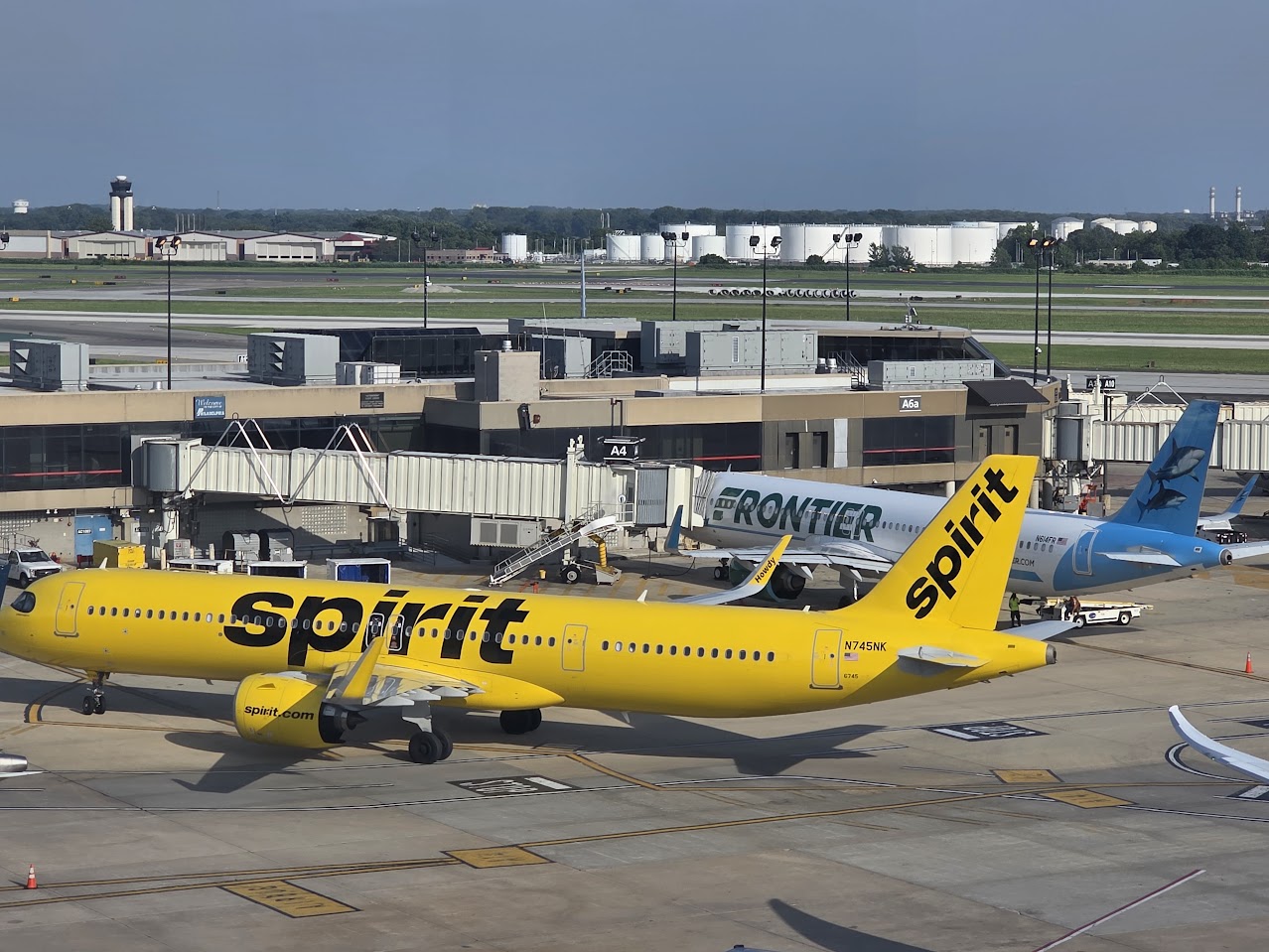
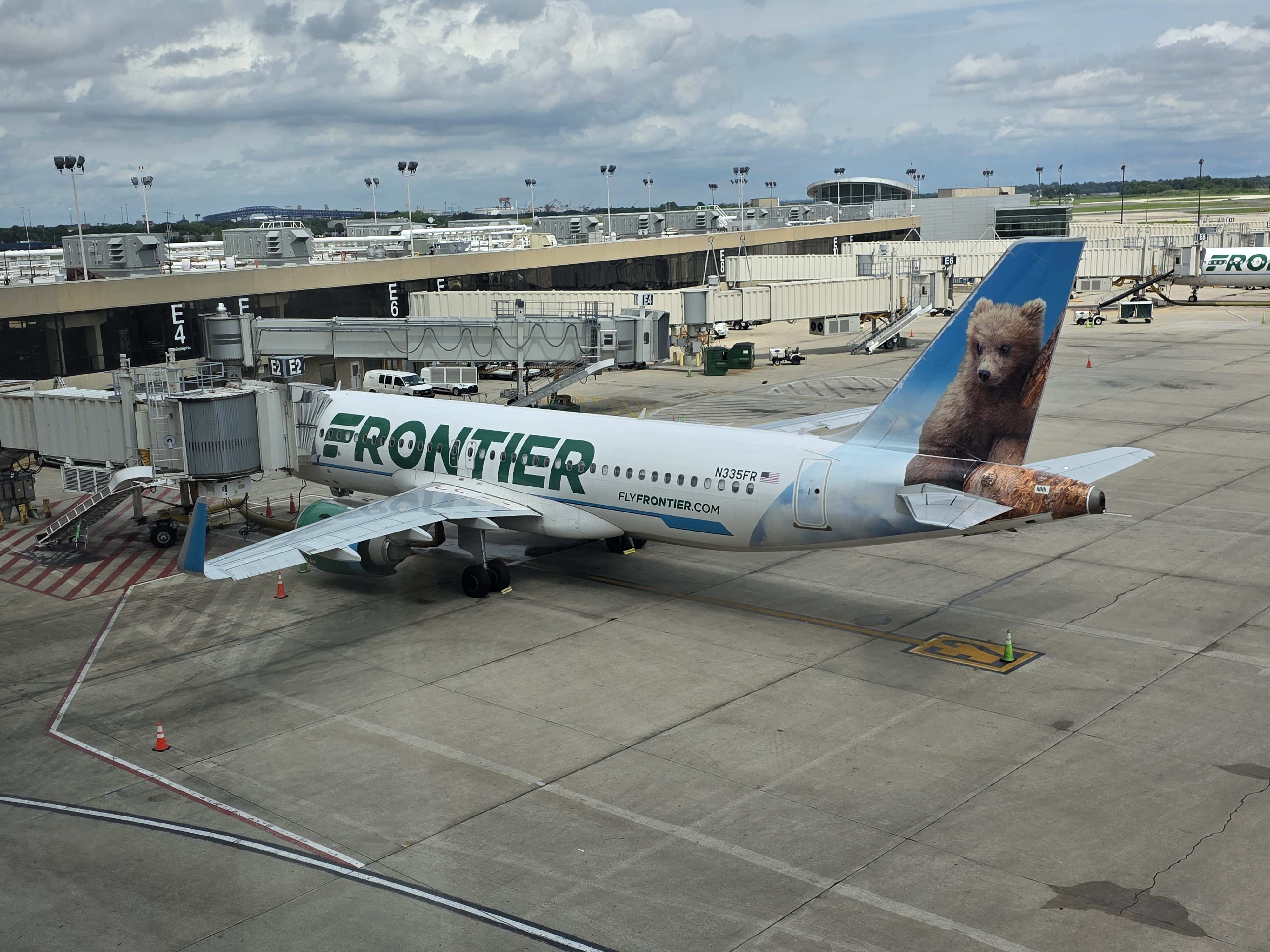
The Wall Street Journal reports that in a meeting with Transportation Secretary Sean Duffy and FAA Administrator Bryan Bedford last week they asked for $2.5 billion ‘to offset the increase in fuel prices’ with the federal government getting warrants convertible to ownership stakes in exchange.
Enilria says this would add:
- Frontier Airlines
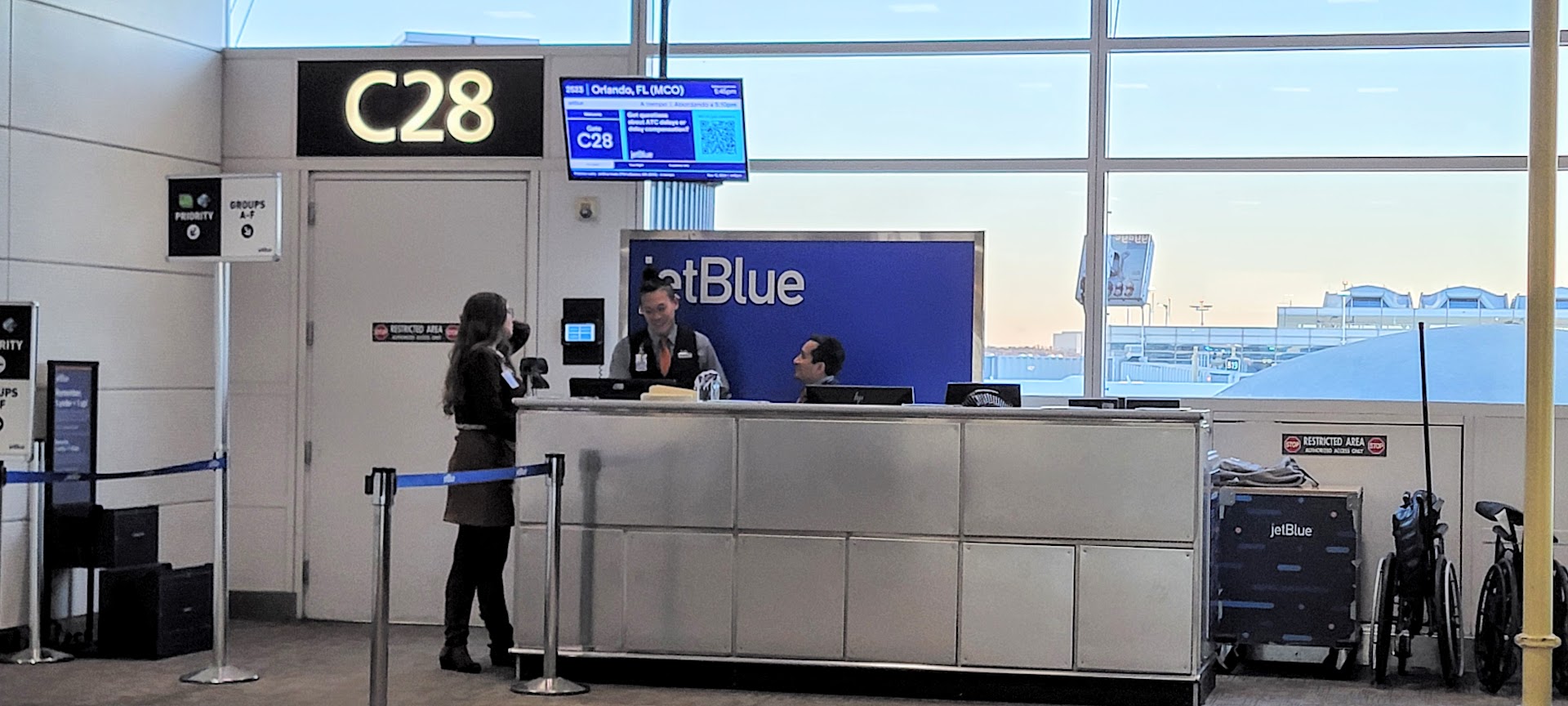
- JetBlue
- Avelo
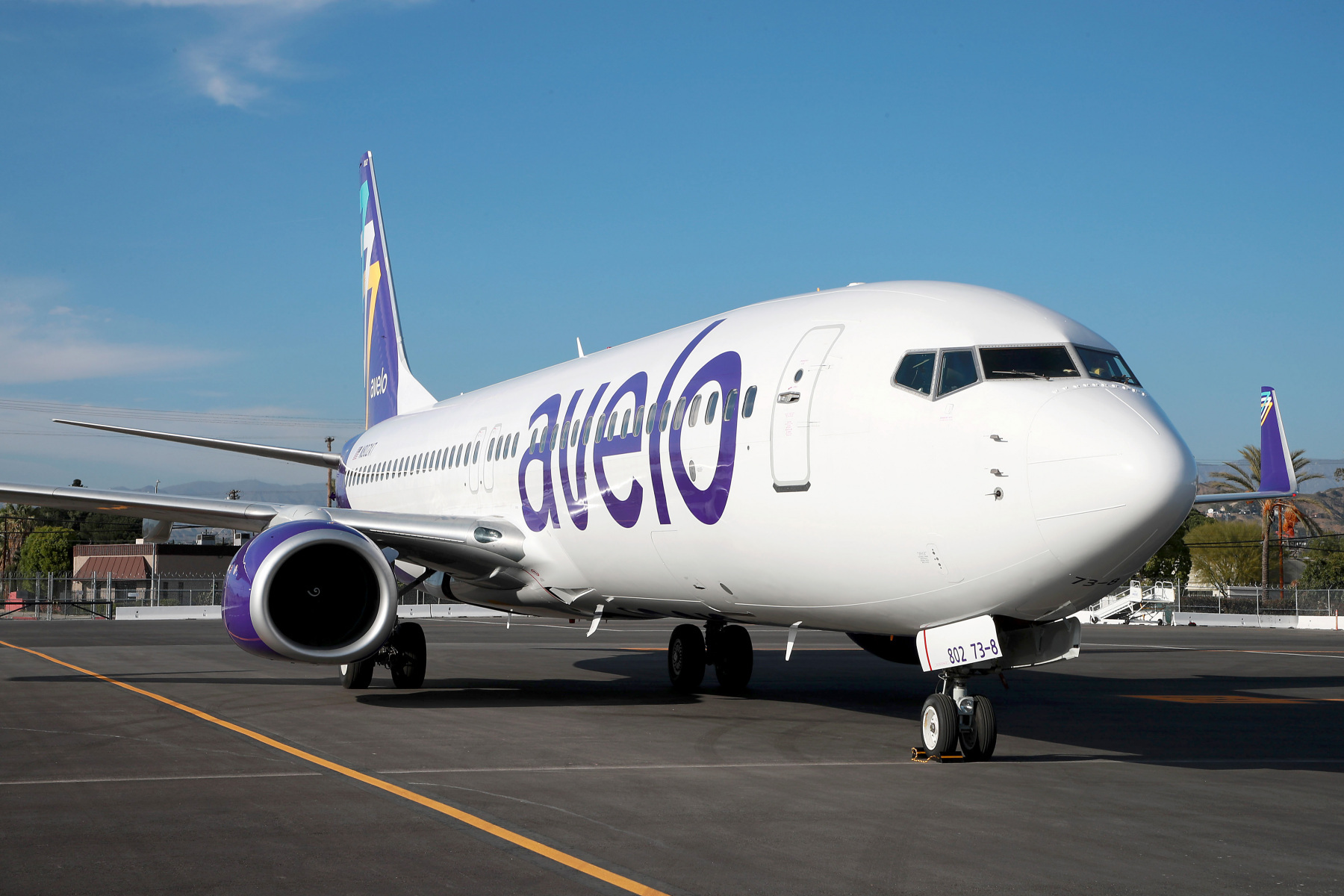
Frontier and Avelo are specifically reported broadly, while JetBlue is a clear inference given the size of the package.
JetBlue founder Dave Neeleman says the airline may go bankrupt this year. JetBlue CEO Joanna Geraghty says they aren’t currently considering bankruptcy for this year (which also undercuts the bailout argument).
I imagine that Allegiant and Sun Country, which are merging, could be made eligible for any program but might not apply.
The message seems to be that whenever jet fuel is high or demand is low, the government will step in. This is very bad policy.
- Bad investment. The problems at Frontier, JetBlue and Avelo predate high oil prices. Avelo has never made money and is down to just 15 planes (having sold its ICE deportation fleet). These airlines continue to lose money which makes this a bad investment (if it were a good investment, it wouldn’t be deemed necessary).
Warren Buffet has made the point that from an investor perspective it would have been better if Orville and Wilbur Wright had been shot at Kitty Hawk. The old joke is the way to become a millionaire quickly is to start off a billionaire and invest in an airline. Pouring money into airlines that are already losing money is even worse.
- Redistribution in the wrong direction. Taxpayer financing for low cost airlines makes the airlines no longer ‘low cost’ in the sense that you’re paying for them whether you’re flying or not. This is the ultimate ancillary fee. And while these carriers are in some sense ‘affordable’, it’s redistribution from less well off taxpayers who do not fly to better off ones who do.
- There’s no reason to believe government will be better at managing these airlines. It turns Spirit and any others where the federal government takes a significant ownership stake into some combination of the IRS, Social Security Administration, and FEMA.
- Airline bailouts become endless. That may be the industry that Doug Parker wanted. His CEO career was book-ended by obtaining bailaouts for America West and then for the whole industry. We just bailed out airlines during 2020-2021. Remember when U.S. airlines claimed to be against subsidies
Doing it again so quickly teaches airlines and markets the lesson that this is almost automatic – we’ll do this forever. It underscores the point Delta CEO Ed Bastian has made that “governments will be there for us if ever needed again” – that airlines are investable because there’s a government put.
United’s Scott Kirby has made the same argument, but said it’s important to be at the front of the line for handouts, ‘faster than the other guy.’
Need I point out that committing $2.5 billion in taxpayer money this way, socializing losses in the entire low cost airline sector, is worse than just putting up $500 million and the harm that goes with it for just a single carrier?
Extending a bailout from just Spirit to the whole sector rewards firms that aren’t even on the brink – JetBlue’s CEO says no bankruptcy this year, and Frontier generally isn’t speculated for immediate bankruptcy. It can no longer even be sold as ‘preserving jobs’ – so there’s even less of a case for it than with Spirit alone.
It’s even more competition-distorting than just a single airline bailout, and it delays improvement in the industry that could make carriers healthy – preventing the need for the consolidation that Spirit’s own lawyer has said is necessary.
And where’s the limiting principle to just airlines? Surely trucking; shipping; cruise; agriculture; fishing; and construction are all oil-intensive and dependent industries harmed by the run up in prices since the start of the Iran conflict.
Spirit’s March restructuring support agreement has an April 30 deadline for the bankruptcy court to enter a Solicitation Procedures Order and schedule a final plan-approval hearing. That’s also when Spirit says they run out of cash. So we should have greater clarity where this is headed by mid-week.



Is this what you want 1990?? Government can save all airlines! Government can fix everything!
I can hear you now: “Free and fast airplanes for all!”
If a business can’t generate enough revenue to cover it’s cost of operations that business is not a viable business. Flying planes is expensive. You can’t turn it into public transportation and ever hope to make a profit despite what the graduates of Sanders & Warren U have been told.
Back in the 1970s there were no “budget airlines” and no one screamed racism. They just loaded up the family station wagon, filled the gas tank and drove to their destination.
It appears that Spirit Airlines is all to quick to just file Bankruptcy. How many times is that now? And they have yet to figure out what their problem is and take steps to address why they find that necessary and make corrections. If, after all this time and bankruptcies, they are still unable to make the necessary changes to their business operations, then I see no reason at all to add to the national debt, already a nightmare, by bailing them out.
As a taxpayer, I have to say definitely a HARD NO!
What”s Donald Trumps cut? That’s going to be the deciding factor!
@ANAL — Ironically, this freakin’ guy is the most socialist president in my lifetime… national socialist… Get it? Hard to not-see that…
Government should buy ALL restaurants too…..especially the ones where the food sucks, the service is lousy and those who can’t seem to turn a profit.
The US would have several fewer airlines than it has now IF the previous administration had said “no” after even the first two rounds of government aid during covid.
Now, the entire US airline industry is at risk every time some new higher cost pops up as it inevitably will whether it be a disruption to fuel or or higher labor costs – both of which are certain to keep happening.
There are simply too many seats chasing too much revenue.
The best thing about adding more airlines to the mix is that there will be adults that will say that it is time to just say “no” and let the consequences of military activity run its course
asperand George Romey:
In the 70s, the FEDGOV set price and schedule for airlines so consequentially people drove to regional destinations. In modern times I can get almost anywhere from nearly everywhere. Modern times ftw.
No money for airlines. Merge or die.
Chris I like your comment! Yes Spirit is a bad fast food take out place…. so yes bail ‘em out!!!
@KlimaBXsst, @CHRIS — The irony is that lately this new flock of right-wingers seem to have no problem with corporate bailouts, grants, and subsidies… so long as it goes to the rich and well-connected… You fellas ready to finally end subsidies to already-extremely-profitable oil and gas?
@Tim Dunn — And who does such consolidation of this or any industry actually benefit? No, not workers or consumers. Creating monopolies, duopolies, or even oligopolies benefits the major players, the already wealthy and well-connected, practically no one else. It is wild to see some of you pitch this as benefitting those it will hurt the most. Even more wild is anyone who believes it.
did I ever argue that “unbreaking up” the Bell System into AT&T make sense?
@Tim Dunn — Umm, yeah, both sectors moved from heavily regulated quasi-monopolies to a ‘free’ market that eventually circled back to heavy consolidation… Bell was a natural monopoly based on literal wires they owned and maintained. The Big-3 US airlines are an oligopoly, using hub-and-spoke to dominate. (Do we really need to do the whole RASM/CASM ‘dance’ on here? I know you know this.) Telecom keeps margins high by bundling (internet, cellular, TV, etc.); airlines bundle with credit cards and loyalty programs.
No one needs to “unbreak” the big carriers; its about ensuring LCCs and ULCCs have gate access to keep the Big 3 in-check. You don’t need to break-up AT&T again if you can ensure that smaller players (like, Mint, Boost, even Patriot Mobile, etc.) can lease space on their towers. Personally, I would like to see a return to net neutrality (after Chevron ended, Congress would need to actually do its job there), but that’s not really our focus at VFTW, is it?
Back to airlines, this ‘premium-heavy’ strategy is were it gets interesting. Unless it can simply bribe our king, Delta may be able to convince regulators that they a merely ‘hospitality company that happens to fly planes’… so, no need for any strict price oversight or anti-trust. If so, may want to look at La Compagnie again, you know, to retrofit your aircraft with business-class-only. Bah!
@1990 You do realize that likely 90% of domestic airfares do not make money for an airline. Maybe you can enlighten us on the many sectors out there that give way their product for less than the cost to deliver that product.
If airlines hadn’t figured out the credit card minting machine there’s be far fewer seats, planes, crew, and passengers as much of that excess capacity would go away. Despite what Professor Mamdani taught you at Sanders & Warren U a business cannot stay in business if it can’t cover the cost of operations.
@1990 and all the other 47 haters – I find it curious that you think he profits from his decisions versus helping out America. The man’s net worth dropped during term 1, while 46 and 44 became wealthy. I personally believe he will weigh the pros and cons for America, unlike 46 who didn’t know what was going on and his staff made the decisions that benefitted their bottom line. Also Saturday’s 4th attempt on his life illustrates your dangerous rhetoric and lies. No I don’t believe in the government bailing out business as a practical policy.
@George Romey — Well-aware that we live in the “credit cards with wings” era, pal.
@Michael Mainello — Naw, no ‘hate’ here. No ‘love,’ either. (You think #47, his family, and his insiders aren’t making money off this term? “I’ve got a bridge in Brooklyn to sell ya…”) As for Saturday, yes, praise due to the Secret Service; now, let’s all rally behind the flag and build that ballroom…
@1990 – I agree with the ballroom. Hey 44 wanted a basketball court and 46 got a taxpayer paid fence around his compound (open borders for the peasants and a fence for the emperor with not brain err clothes.). Also if anyone, in either party, ILLEGALLY benefits from this, then take them to court.
@Michael
Its hysterical that anyone thinks 47 hasn’t benefited from the current term, starting with the memecoin (now collapsed), the numerous contracts given to the Trump family abroad etc. And you think he weighs the pros and cons for America, BWAHSAHAHAHA
A government bailout of airlines, and all other businesses that are burdened by a sudden and unwarranted increase in fuel costs, would put a real dollar value on the cost of the war with Iran.
It’s the same as the Pandemic-era bailouts that attempted to mitigate an economic shock that none of us asked for.
@erg – no facts just feelings.
Did you invest in Hunter’s paintings?
Typical answer. Swing and a miss.
I can hear the crying and screaming if this was a Democratic POTUS possibly doing this..”those Communists/Socialists”, etc.
Hopefully NONE of these companies get a single damn penny of my taxes.
None of these companies should get a darn penny of my taxes!
@Michael Mainello — Wait, Hunter, the guy with the ‘hog’? He paints, too? Talented! Bah…
@1990 – the guy that consumes massive amounts of illegal powder, women of the night and fails to pay child support. Same guy?
@Michael Mainello — Wait, are we talking about Don, Jr.? *wink*
For God sakes, we can talk about Spirit and other airlines getting another bailout and about government owning airlines but why does it need to come back to other issues regarding POTUS. Is it possible to stay on the subject, thanks
@Howie Israelson — Yeah, that’s naive. You’re telling us to stop talking about the President, when discussing a federal government bailout, in which the President has been commenting on the topic? Did you forget the ‘/s’ for sarcasm, or are you just really pathetic at gatekeeping?
(Oh, clearly, I bit the onion… ‘Israelson’… that can’t be a real name… *facepalm*)
Would love for Spirit to be bailed out. It would preserve a competitive pricing structure that allows the working class to travel. Ironically, this IS a form of income redistribution, even if one shareholder close to Trump will be the one to benefit the most. Capitalism never stands alone. It takes an entire nation of plebs to support it, and plebs usually get the short end of the stick.