United Airlines CEO Scott Kirby pitched a merger with American Airlines to President Trump. American Airlines declines to consider it.
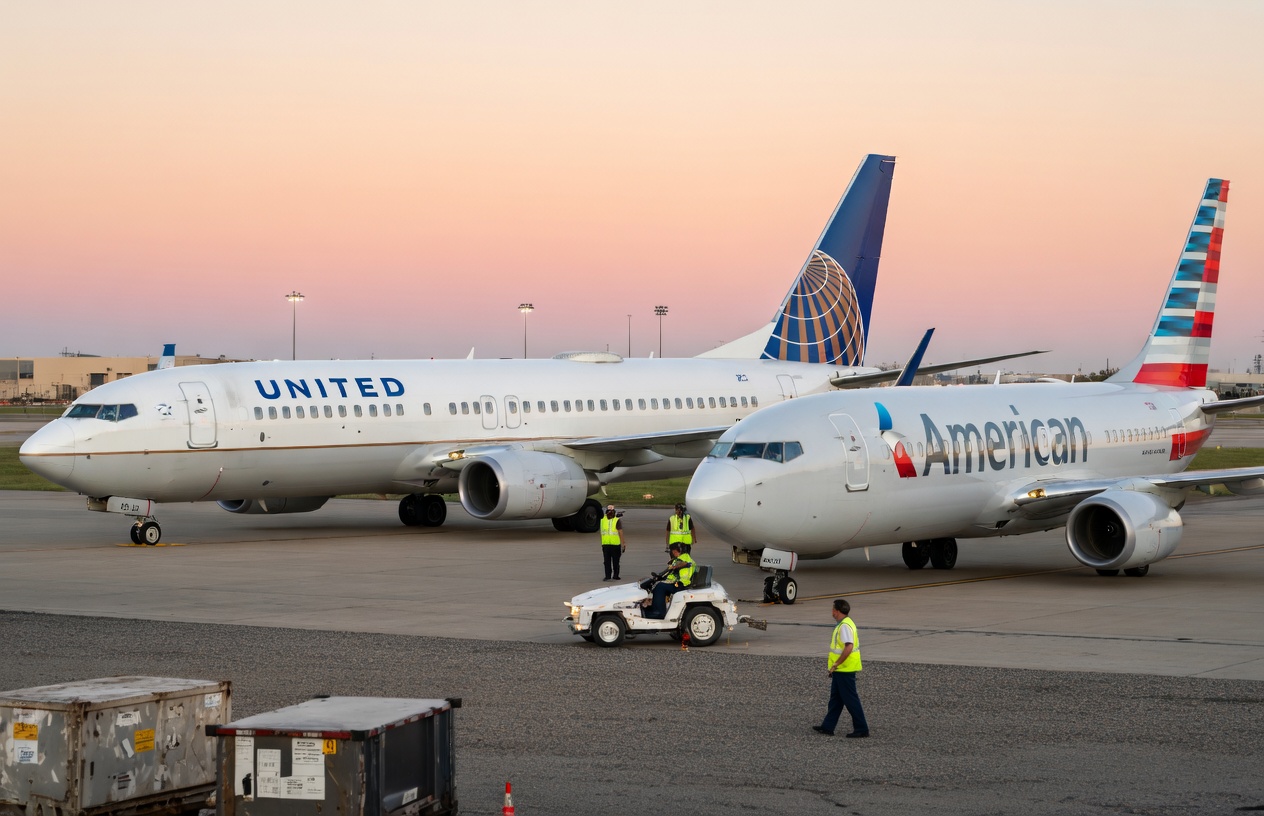
Now United is in talks to buy assets from another airline and American is discussing a joint venture with Alaska Airlines.
And United Airlines CEO Scott Kirby has blasted out a message saying,
- Yes I pitched a deal with American
- It would have been great
- And it’s sad it’s not going to happen
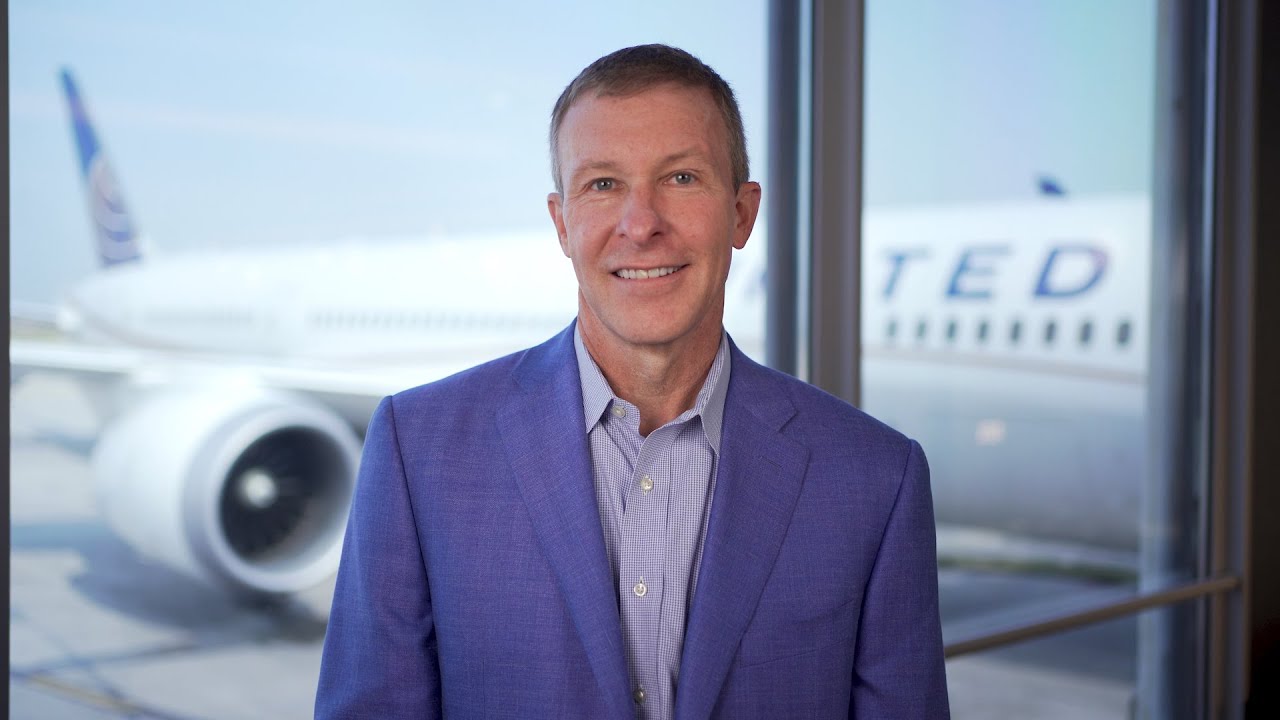
A normal company response would have been: “American declined to engage, there are no discussions, we remain focused on executing United Next.” Instead, it does three things public companies usually avoid doing at once:
- Confirms a failed approach.
- Argues the merits of a dead deal.
- Pre-litigates antitrust approval.
Kirby says divestitures would “obviously” have been required but insists regulators would have approved it because this would have been a growth and international-competitiveness deal rather than a cost-cutting deal.
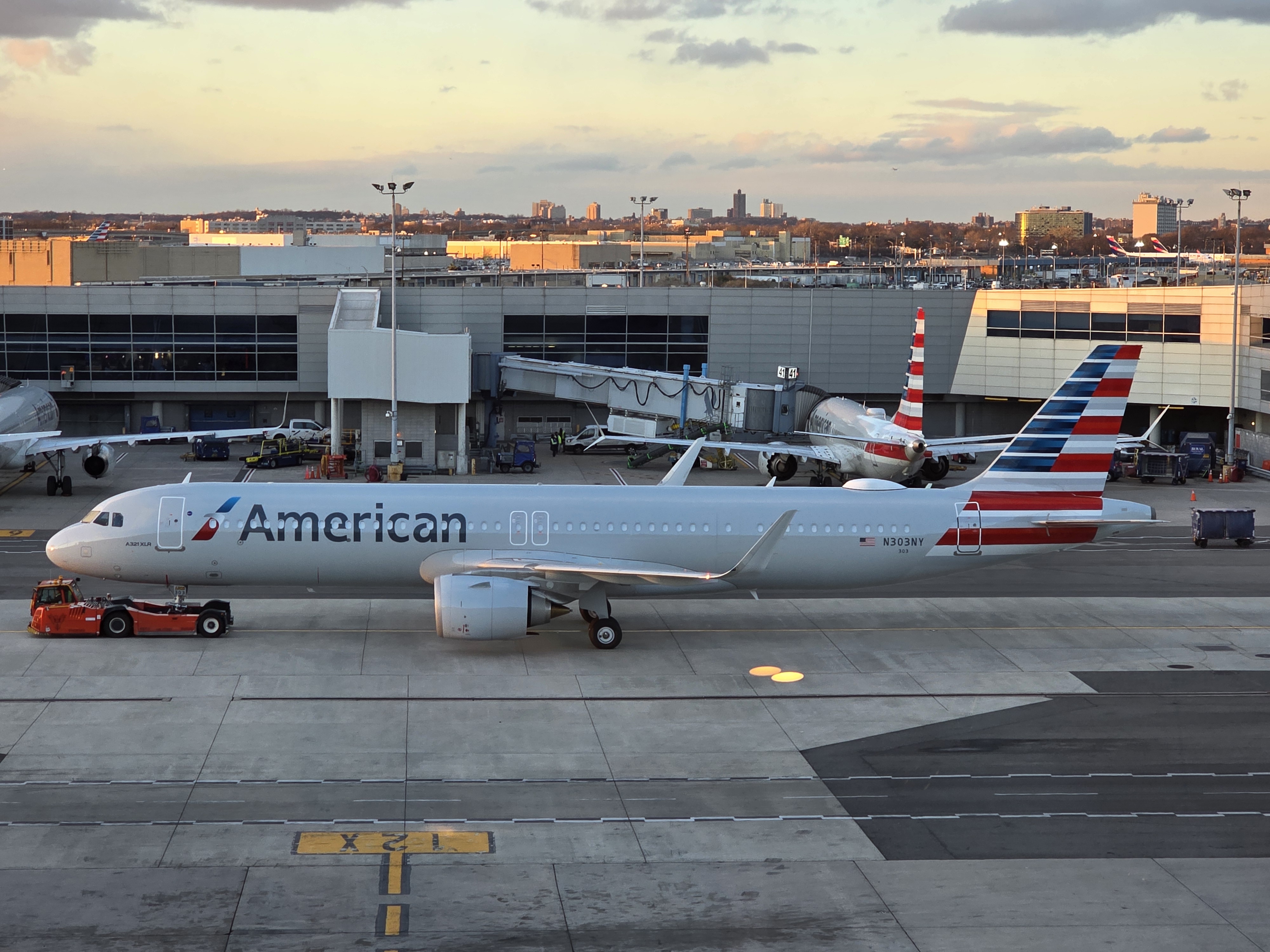
Why would he do this? Kirby is trying to control the narrative after being publicly rejected. I had a bold pro-consumer vision. American refused to even hear it. But I think there’s more to it:
- He is still pitching the Trump administration in public. The language is about U.S. aviation leadership, trade deficit with foreign-flagged carriers (which is genuinely silly), U.S. jobs, and national economic strength. That is not how you pitch customers – it’s how you pitch this White House, senators, Band labor.
- This smooths the way for future consolidation even if American is dead. It frames United’s motives in positive terms, and softens the ground for a second-best attempt.
- It pressures American’s board. Kirby publicly announces that United has the winning strategy, American could have been part of it, and American management “publicly closing the door.” American’s stock has lagged the industry and declined when it rejected the entreaty.
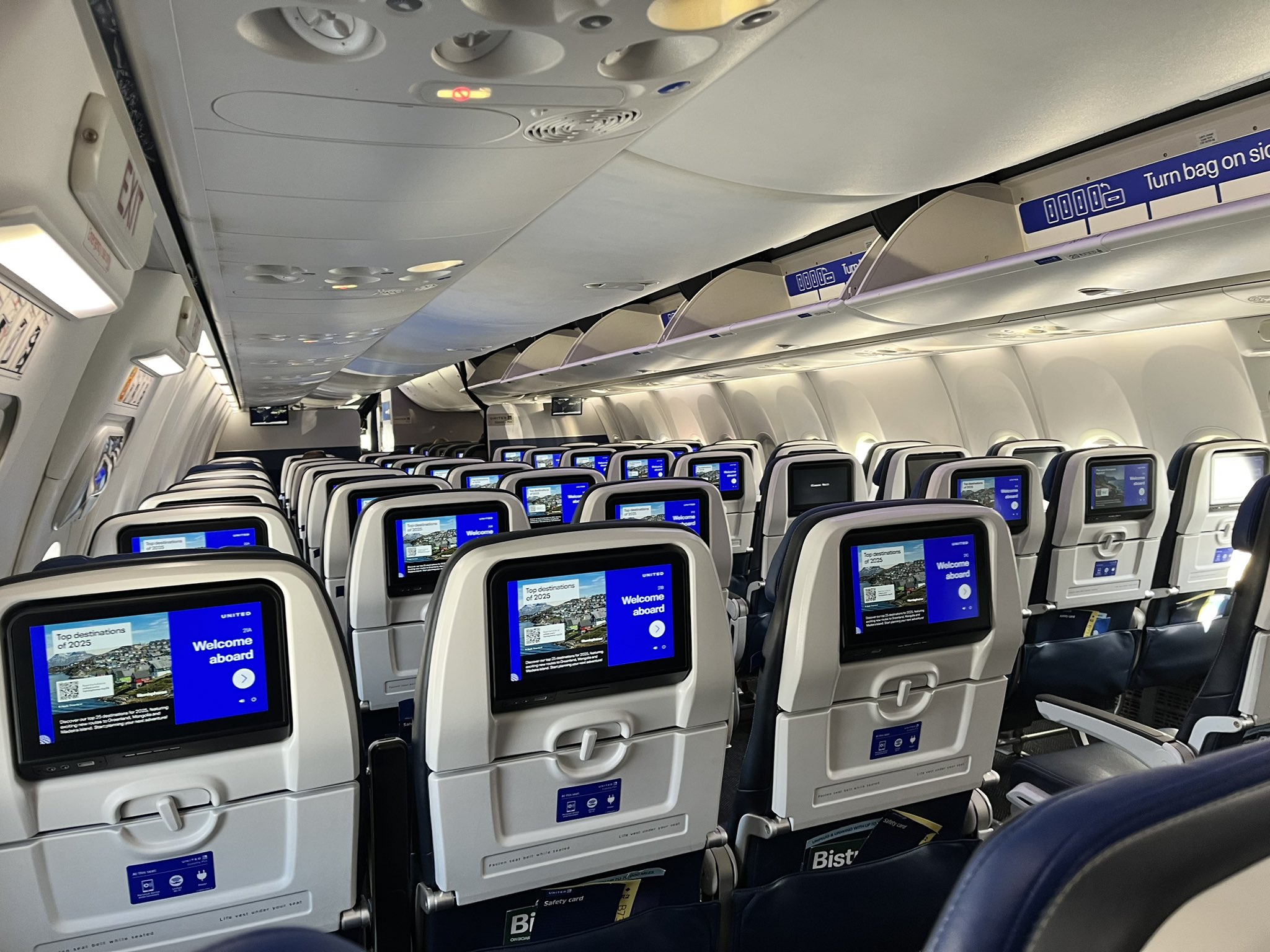
A deal to acquire American would have had one benefit – of giving American Airlines a clear, bold vision. But it also would have had broad antitrust problems at the state and international levels, and with the next administration, too. So I’m not sure Kirby’s confidence in regulatory approval is really justified.
Although this wouldn’t be as bad for competition as is generally imagined.
- For the most part, planes, pilots and seat capacity would remain in place – and Kirby’s vision is that with combined networks, it would even grow.
- That means an increase in supply, which is the main driver of price.
- The work of Nobel laureate economist Vernon Smith showed that competitive prices can emerge with surprisingly few buyers and sellers, undermining the classic idea that “many firms are required for competition. That work found that a market with just four buyers and sellers produced competitive outcomes (and four isn’t needed on each route, clearly, since the fee-inclusive cost of air travel has continued to fall in real terms).
A rejected merger proposal usually gets buried, not celebrated. This signals that United is not done in M&A. Maybe in declaring the American deal dead, it’s trying to resurrect it. Or else it’s setting the stage for a different deal. Kirby didn’t just admit United tried to merge with American. He released the antitrust, political, and investor case for why United should be allowed to get bigger.
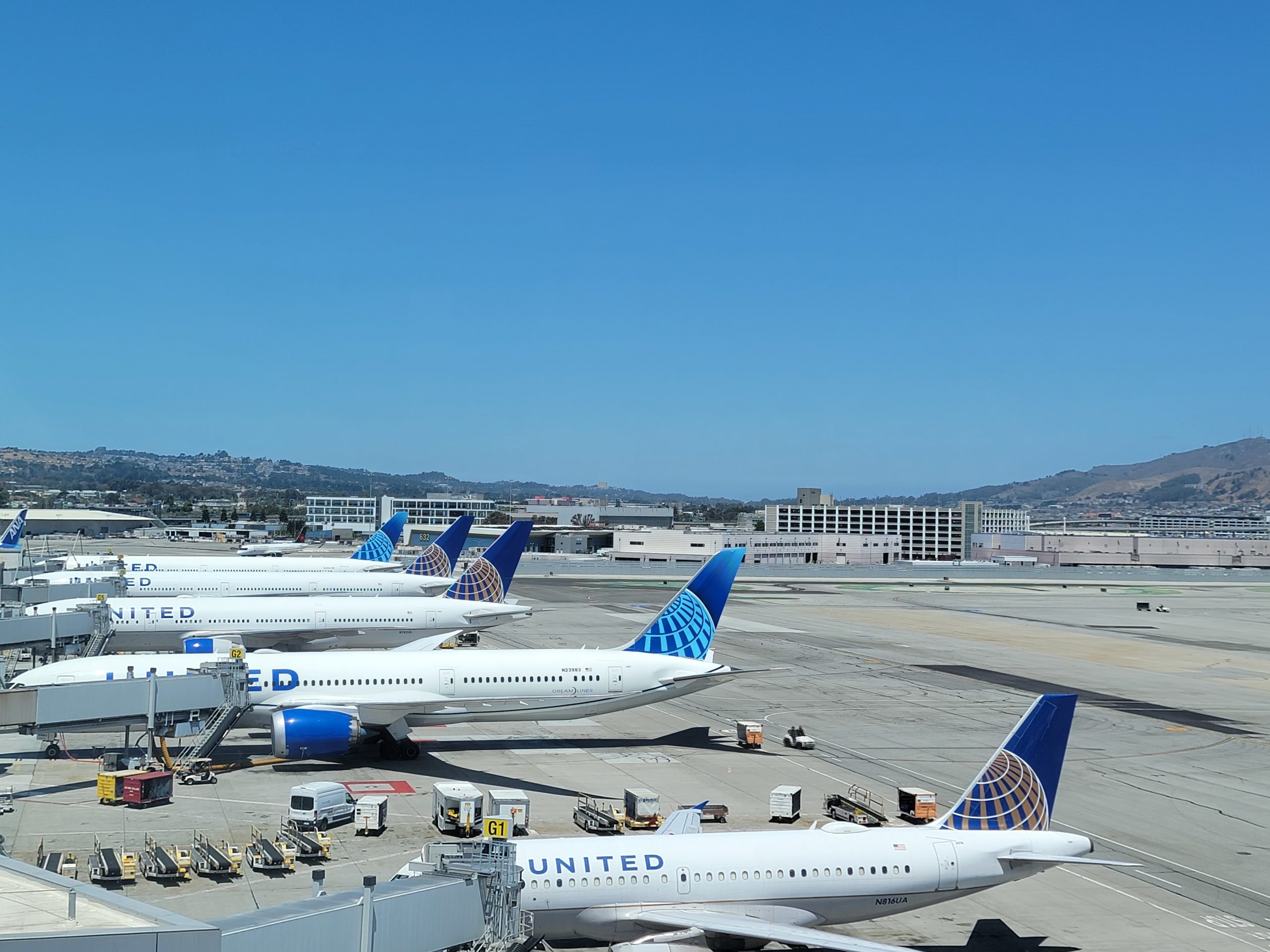
Kirby claims that ‘the U.S. has a ‘trade deficit’ with foreign airlines’, and that they operate more seats in the U.S. than U.S. carriers do, carrying more Americans than U.S. carriers do. That’s an argument designed for President Trump but it is also deeply misguided.
- Foreign-flag seat share is not the same thing as a trade deficit. This doesn’t even talk about money. Remember that United itself is in a revenue-sharing joint venture with Lufthansa Group and Air Canada, as well as ANA and Air New Zealand. Most international passengers also make connections, so domestic travel is a part of this, too.
- Since foreign airlines offer more capacity, better service, lower fares, and more nonstop options, that is actually a benefit to U.S. consumers. Outside of joint ventures, it might be bad for airline shareholders compared to true protectionism. But that’s the limit of who’s harmed by consumers having choice.
A United – American merger doesn’t even remedy this. It wouldn’t add slots at London Heathrow or Tokyo Haneda (it might even require some slot divestitures, perhaps to Virgin Atlantic although showing how complicated this is they are 49% owned by… Delta). It doesn’t add widebody aircraft or pilots. Kirby said during last week’s earnings call that it is “extremely unlikely” United would open a foreign hub.
Bottom-line is that Kirby is just trying to answer a domestic antitrust problem with an international competitiveness story.



Hey.. Scottie.. buddy.. you gotta run your own airline, first.. also, you can’t have dessert until you finish your vegetables.. come on, kiddo, you know this!
bottom line is that Kirby thinks the entire world revolves around UA and him when reality is that airlines exist for the public benefit and UA is willing to destroy what is good for everyone else in order to stroke his ego about size.
UA is large but isn’t great in any other way. No one wants to see any business so large that it harms everyone else.
What evidence is there that “planes, pilots and seat capacity would remain in place”?
History tells us that this is not true. Airlines, and all publicly owned companies, react to supply and demand. This new combined airline would certainly adjust capacity to meet demand and to force higher ticket prices.
I can’t see why United (a pretty good company) want to “inherit” the trials and tribulations of a very troubled company…American. United has its troubles, sure, but no where near the “nastiness” exhibited within the American employees and customers. United has lots of aircraft on order for future expansion. Keep to that goal. United doesn’t need American. Let American die. To modify a phrase from a thwarted hostile takeover years ago, “Keep United My United”.
@Tim Dunn — I changed “Kirby” to “Tim Dunn” and “United” to “Delta”…
“bottom line is that Tim Dunn thinks the entire world revolves around Delta and him when reality is that airlines exist for the public benefit and Delta is willing to destroy what is good for everyone else in order to stroke his ego about size.
Delta is large but isn’t great in any other way. No one wants to see any business so large that it harms everyone else.”
Interesting.
I’d normally couch this in my normal “He’s smart but…”
Scott Kirby is just deranged at this point. I understand Gary’s point about future M&A and signaling to the government but this really does just fit more with his vendetta against AA vs anything strategic in my opinion.
Scott Kirby has failed in the one thing he has told United employees since arriving there — We’ll push AA out of ORD. I think the exact words were close to “we won’t stop until United signs are in T3” or something like that. It’s clearly a failure despite everything he’s tried to do.
The entire United executive team would do well to take a step back and take a look at how obsessed, tacky, and deranged most of them seem about AA.
(also @1990 — good one)
Tim
Everyone knows the world revolves around Delta and its SkyPesos!
Scott Kirby is increasingly becoming weird and unlikable.
@1990. LMAO
DL doesn’t state repeatedly how it will run the competition out of its major markets and yet, as CF notes today, DL has done a better job of becoming the dominant airline in its hubs and translating it into revenue and profits than any other US airline.
There’s talk and there is action.
UA yaps, DL delivers.
Kirby knows full well why DL is in the financial leadership position it is in and desperately wants for UA to be in that position.
Apparently being the largest airline in lots of major markets that happen to be very competitive doesn’t translate into the revenue dominance that DL has
@Tom Dunn
Hahahaha. UA is blowing by DAL for the top spot. You’re obviously trying to cope. You’ve seen all the social media, articles and analyst hyping up UAL. DAL peaked and is falling behind. AA is catching up too.
Kirby gets under your skin worse than Ben. The guy is a professional troll and has you in shambles.
BTW
1q26 14.6>14.2.
@Tim Dunn
Sure DL dominates their hubs
Ho town
Mo town
No town
Snow town
Hardly anybody cares. Transit cities. Much lower costs than and less competition in second tier cities. DL delivers yet 1q26 says otherwise.
@Tim Dunn — Doesn’t mean you’re right, but… I still admire your passion and persistence.
(And, don’t worry, the US-airline duopoly/oligopoly is safe, for now.)
@MaxPower — Just havin’ some good fun here…
Seems like a bit of a nutcase. This is where the BOD needs to step in, but rarely does.
@Jon in TX — Which one is ‘Ho town’? LOL.
Article is interesting because I read the release and the letter to employees. They basically say the same things in fewer words (employee letter) but comes across the same. And I’m not a huge Kirby fan and definitely not a cheerleader but I don’t see the ‘derangement’ others are talking about. Sure he has beef with AA but he laid out his case and said they weren’t having it. His shorter employee letter was ‘we’re going to keep moving forward doing what we do, building on what we have.’
In the end he offered AA something they need more than UA and they refused. I agree with the idea that he’s also preparing for a smaller acquisition or attempting to get someone else to come knocking on UA’s door but he’s running a great airline right now and if Spirit goes belly up, I’m sure UA will be first in line for assets.
@Austin: “The guy is a professional troll and has you in shambles.”
Kinda wonder if he’s just not personally trolling Tim Dunn at this point.
Trolls like Scott Kirby are the end result of a government that rewards graft over common sense. If the Hunter Biden Burisma accusations were true and then turned into a government it would be Trump 2.0.
@Winston — Except, 2.0 is less of a hog, and more of a lil’ mushroom… allegedly. Bah!
No one should forget that after the orange Mussolini was re-elected one of the very first to bend the knee and kiss the butt was Scott Kirby!
I’m starting to think Kirby is manic, he obsesses way to much about American. Move on bro.
American Airlines is my primary airline.
This isn’t due to their level of service.
It’s because of their large route map in relation to my main airport of Los Angeles (LAX).
AA has been failing to live up to their company name for many years. I would probably be happy if another airline would purchase them and this resulted in improvements to the passenger experience. I just don’t know what airline would be interested.
Austin,
it speaks volumes about how much “winning” UA is doing when its fans immediate grasp for a datapoint at a single point in time and claim victory but can’t point to a track record of financial leadership.
It says more about where UA is that it produced $1.7 billion less profits – 33% – than DL in 2025; with high fuel prices and labor cost settlements, the gap between UA and DL is likely to widen – unless, of course, UA relies on sales/leaseback transactions that goose the income statement at the expense of a weaker balance sheet
@Baron — He’s definitely still sour over not getting CEO with AA… after all, he was ‘President’ of US Airways and American Airlines before President and CEO at United… probably is as petty as that.
@OnePatriot77 — Ugh, AA at LAX has been sad, for years. The way they closed Flagship First Dining since the pandemic and basically gave up on it. And the construction at their terminals over the past few years has been tough, too. I do not envy you having to take those tunnels. However, there are so many options from LAX and the other area airports; why not change it up? It’s not like you’re stuck at a fortress hub like DFW or CLT (or ATL, etc.)
@1990 you may be right. I’ve been waiting for AA to improve for ages. Delta could become my new primary airline, but they are a bit more expensive and really not all that much better.
The good news for LAX is the long awaited LAX Automated People Mover called SkyLink is now in the testing phase. This train system with 2.25 miles of track is scheduled to open to the public in August/September 2026.
@OnePatriot77 — At LAX, DL does have the new D1 lounge, and a decent SkyClub there, but it is expensive, and likely to stay expensive. Woah on the SkyLink! (Hope it’s worth the +$5 billion, and 3ish years late!) You guys are doing better than we are in NYC, since LGA still doesn’t have a proper train connect. Psh.
Scott Kirby is the epitome of “Short Man Complex” and “Napoleon Complex” rolled into one.
And probably the smallest penis in the industry from his insecure egomaniac comments.
@Johnmcsmythe — Smaller than the ‘mushroom’ (allegedly)?
The forecast: Stormy…
Again, everything that has brought down the once great AA is brought to you by USAir. AA was once the best carrier around, competitive, award winning customer service and so on. Today, well let’s just say it’s struggling in every aspect of what’s expected in the industry. Moral is low, even after pay raises and the union in their infinite wisdom has decided that it’s time for new management. Really? APFA can’t even get their own finances in check after the pay-for-Joe Burns (lawyer/negotiator/socialist) debacle.
Kirby is settings his sights, like Parker once did with a failed attempt with Delta.
Always a hard landing for everyone.
@flyguy
I’m sure these bloggers enjoy trolling and seeing Tim Dunn cope and meltdown when DL is mentioned negatively. Especially now that they peaked. I do.
@Tim Dunn
You say…
Immediate grasp for a single data point and claim victory???
That’s exactly what you do every single post.
Cope harder. If it wasn’t for Ex Cal talent Delta would’ve been dead.